
A practical guide
How to Read the Puritans
The Puritans have a reputation for being heavy going, but most of the difficulty is on the surface. Choose a modern edition, start with the readable authors, read a little each day with your Bible open, and their sentences stop feeling like a wall and start feeling like a friend.
This is a practical, step-by-step guide to reading 17th-century Puritan prose without getting stuck: which edition to buy, where to begin, how to untangle a long sentence, and where to find good free copies.
Why the Puritans feel hard (and why they aren't)
Three things make the Puritans look intimidating: long sentences that pile clause on clause, archaic spelling and vocabulary from the 1600s, and dense doctrine that assumes you are paying close attention. Together they can make a single page feel like hard labor.
But the difficulty is mostly on the surface. The ideas underneath are usually simple, warm, and deeply pastoral, and the Puritans go out of their way to number their points and repeat themselves so you do not get lost. Once you learn a few reading habits, and once you pick the right author in the right edition, the Puritans become some of the clearest writers on the Christian life you will ever read.
Step 1: Choose the right edition
The edition you choose matters more than almost anything else. Modern editions like the Puritan Paperbacks and the Pocket Puritans update the old spelling, lightly abridge the text, and break it into shorter, manageable chapters. That single choice removes most of the friction before you read a word.
Save the original, unabridged editions for later, once the Puritan voice feels familiar. Free public-domain editions are wonderful and worth using, but they are usually left un-modernized, with the original spelling and full-length sentences intact, so they are a harder starting point. Read the readable modern edition first, then reach for the originals when you want the whole thing.
Step 2: Start with the readable Puritans
Not all Puritans are equally hard, so start with the warm, vivid ones and save the deep end for later. Begin with Thomas Watson, often called the door to the Puritans because he is so quotable and so easy to follow. From there move to Thomas Brooks, John Flavel, Richard Sibbes, and John Bunyan.
Save John Owen, Thomas Goodwin, and Jonathan Edwards for later. They are worth every bit of the effort, but they are demanding, and they read far more easily once the Puritan voice already feels familiar. For a fuller ranked list with a simple reading order, see our guide to the best Puritan books for beginners.
Recommended first reads
Three warm, readable places to start, each in a modern edition.
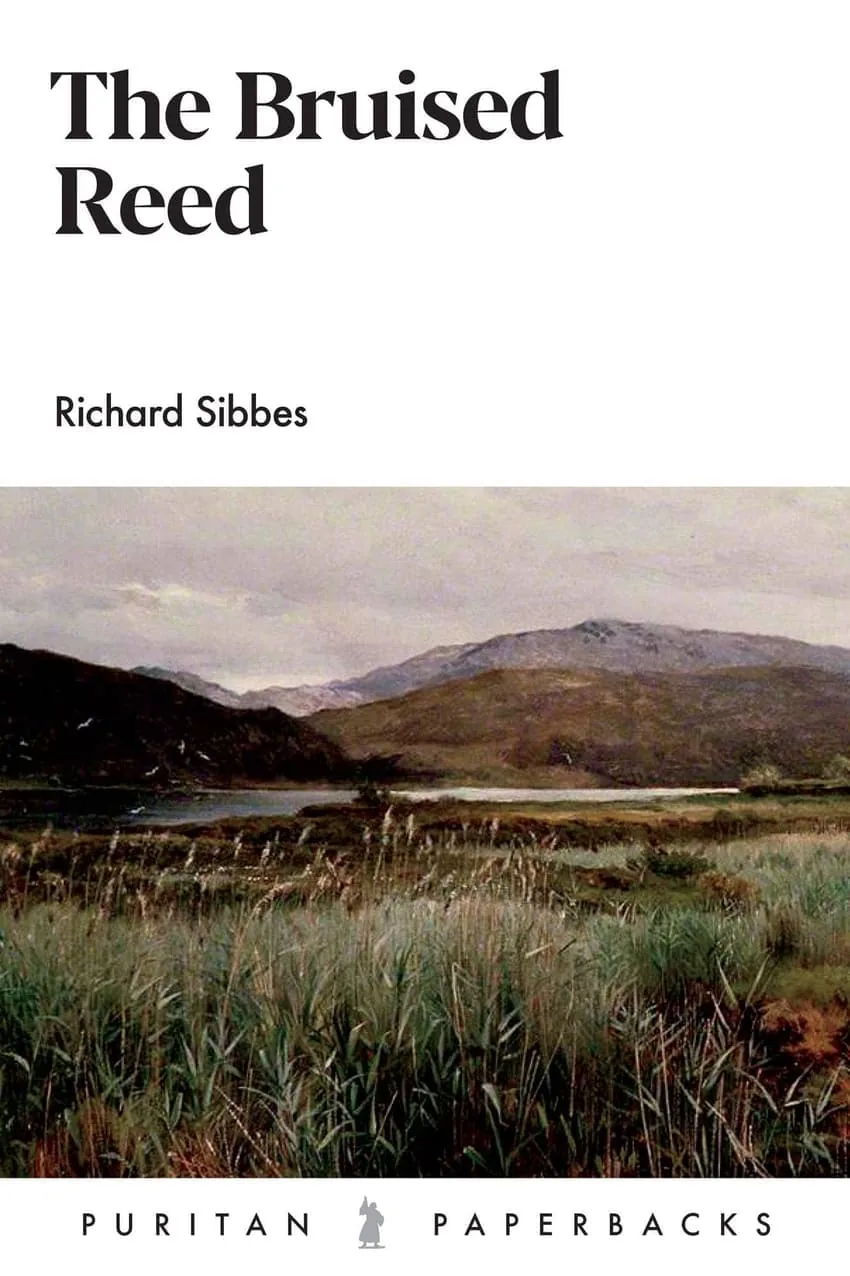
The Bruised Reed
Richard Sibbes
Sibbes at his warmest. The single gentlest place to begin, all about Christ's tenderness toward weak believers.
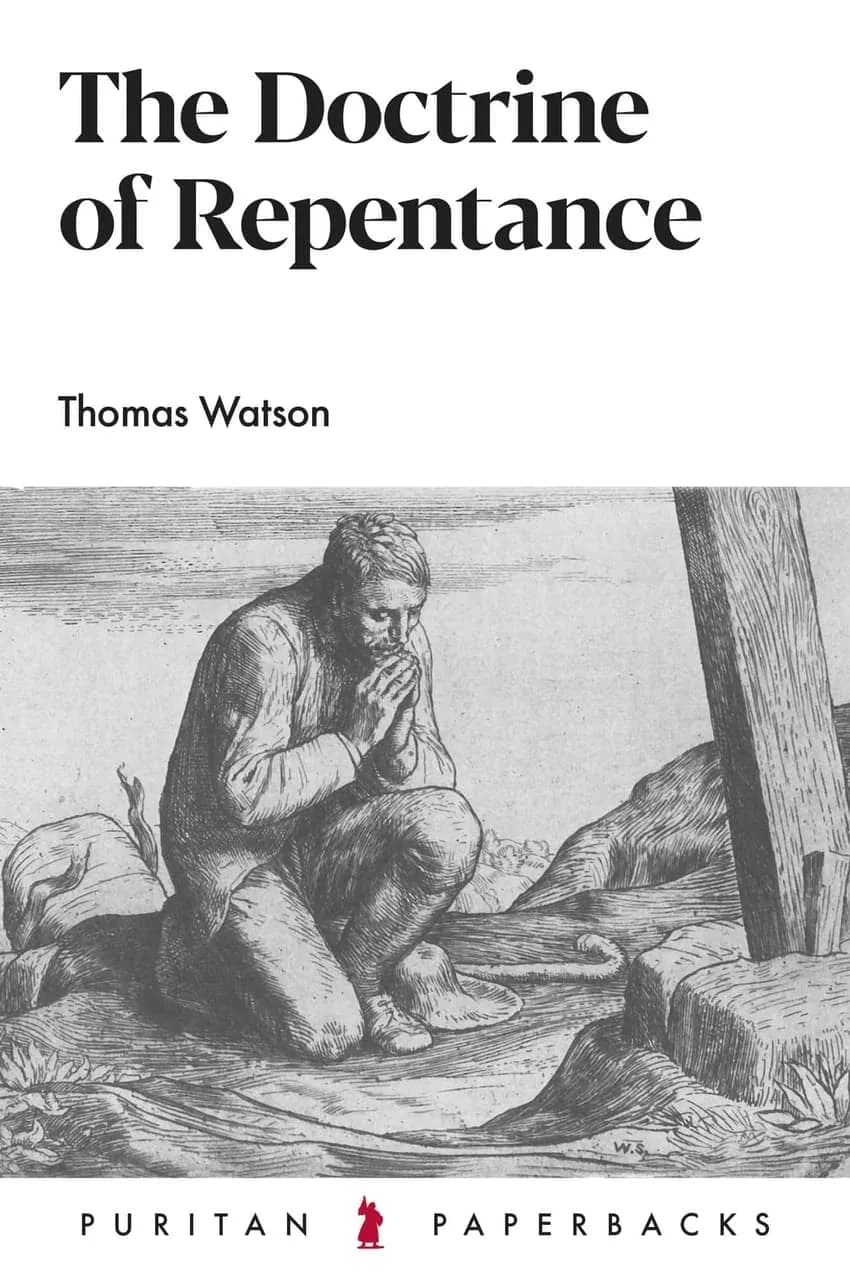
The Doctrine of Repentance
Thomas Watson
Watson is the most quotable Puritan, and this is the easiest way into serious doctrine.
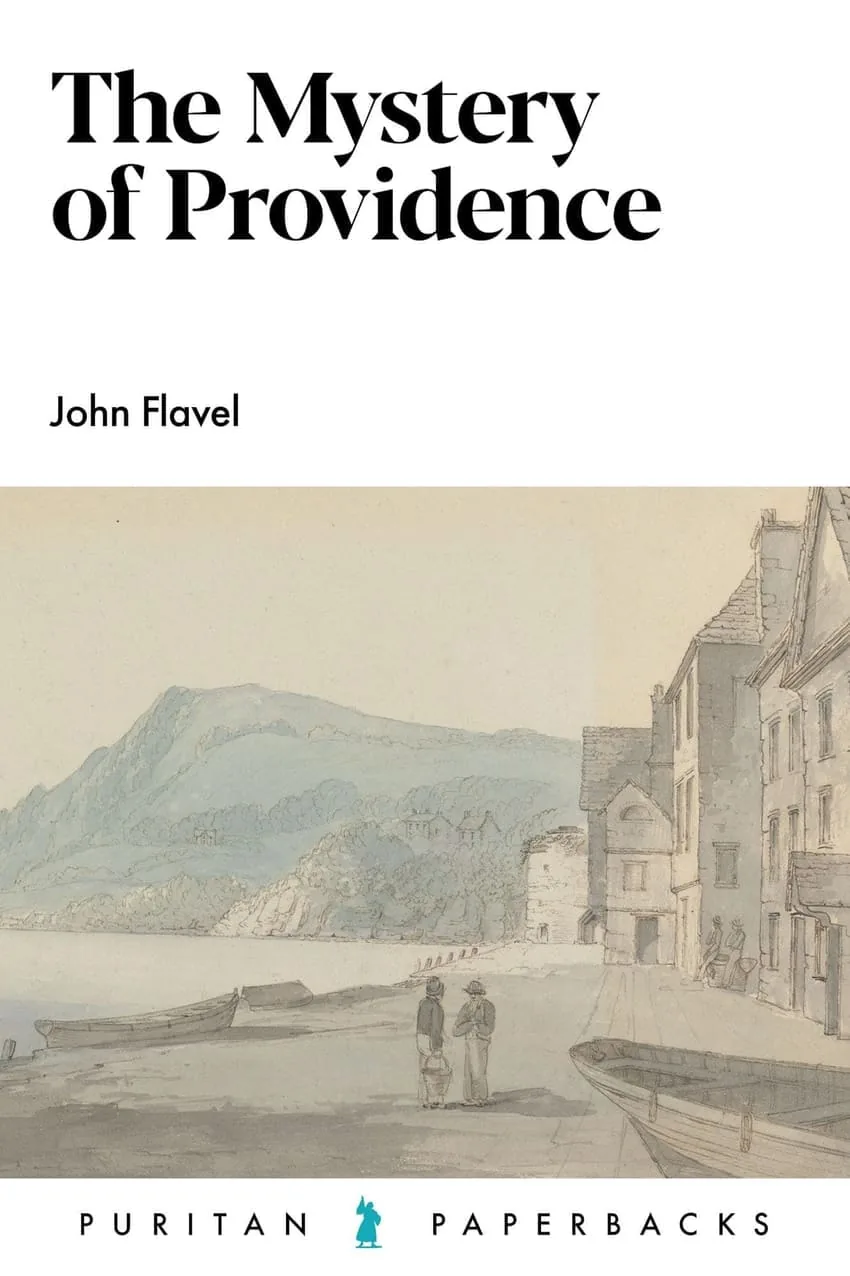
The Mystery of Providence
John Flavel
Flavel teaches you to read God's hand in the ordinary events of your life. Deeply comforting.
Step 3: Read slowly and devotionally
The Puritans were not written to be skimmed, and they reward patience. Fifteen minutes a day, read slowly and thoughtfully, will take you further than a weekend binge that leaves you exhausted and remembering nothing. A page or two that you actually feel is worth more than a chapter you race through.
Look up every Scripture reference as you go. The Puritans reason straight from the Bible, so their argument only lands with full force when you have the verse in front of you. Treat the reading as time with God, not a project to finish, and the slowness becomes the point rather than the obstacle.
Step 4: Read to obey, not just to know
A.W. Tozer said that the Bible was never given to increase our knowledge but to change our lives. The same is true of the Puritans. They wrote to inform the mind, confront the conscience, and engage the heart, all at once, and they expected the reading to end in a changed life rather than a fuller notebook.
So read to obey. End each session by taking one point and turning it into prayer: confess where it convicts you, ask for the grace it describes, thank God for the comfort it offers. That one habit turns Puritan reading from information into transformation.
Step 5: How to handle the long sentences
When a sentence sprawls across half a page, do not panic. Find the main verb first, the one action the sentence is really about, then read every other clause as elaboration hanging off that single idea. Most long Puritan sentences are one simple thought surrounded by supporting detail.
Three more habits help. Read hard passages aloud, since these works were preached before they were printed and are built for the ear. Follow their numbered structure, which usually moves from Doctrine to Reasons to Uses, and let that skeleton guide you. And do not stop at every archaic word, because the overall argument almost always carries you past anything you do not immediately recognize.
Step 6: Use a reading plan
The fastest way to stall is to start five books at once. Read one book at a time, finish it, and only then move to the next. A short, ordered plan keeps you from drifting and lets each author build on the last, so your reading has momentum instead of a pile of half-read paperbacks.
If you would like the whole journey mapped out for you, follow our Puritan reading plan, which sequences the books from the gentlest on-ramps to the deeper works.
Step 7: Listen — Puritan audiobooks
Because the Puritans wrote for the ear, hearing them read aloud trains you to follow their rhythm and makes the long sentences feel natural. Listening on a walk or commute is also one of the easiest ways to get consistent reading into a busy week.
Many titles are available as audiobooks from Christian Audio and Audible, and public-domain works can be heard for free on LibriVox. A good approach is to listen and read the same book together, letting the narration carry you through the passages that look hardest on the page.
Free and public-domain Puritan resources
Much of the Puritan library is in the public domain and completely free to read. These are the best places to find it.
- Grace Online Library
A large, well-organized library of Puritan and Reformed texts, sorted by author and topic.
- Monergism
Free books, articles, and downloads across the whole Reformed tradition, including many Puritans.
- Christian Classics Ethereal Library (CCEL)
Scanned and digitized public-domain classics, often with multiple formats to download.
- Grace Gems
A deep archive of short Puritan excerpts and full works, ideal for daily reading.
- LibriVox
Free, volunteer-read audiobooks of public-domain titles, including many Puritan classics.
- Project Gutenberg
Free ebook editions of older Puritan works in plain text, EPUB, and Kindle formats.
One caution: these free editions are usually un-modernized, with the original spelling and full-length sentences intact. They are best paired with a modern print edition like a Puritan Paperback, so you have an updated, readable copy in hand while you explore the free archives.
Frequently asked questions
Are the Puritans hard to read?
Some are, some are not. Authors like Thomas Watson, Richard Sibbes, John Flavel, and Thomas Brooks read almost like a modern devotional, while John Owen, Thomas Goodwin, and Jonathan Edwards are more demanding. Most of the difficulty is on the surface: long sentences and archaic spelling. Start with a readable author in a modern edition and the reputation for difficulty fades quickly.
Which Puritan edition is best for beginners?
A modern edition is best for beginners. The Puritan Paperbacks and Pocket Puritans, published by the Banner of Truth Trust, update the spelling and lightly abridge the text, so the books stay affordable and readable. Free public-domain editions are usually left un-modernized, which makes them harder for a first read, so they are best paired with a modern print copy.
Where should I start reading the Puritans?
Begin with Thomas Watson, often called the door to the Puritans, then move to Thomas Brooks, John Flavel, Richard Sibbes, and John Bunyan. Save John Owen, Thomas Goodwin, and Jonathan Edwards for later, once the Puritan voice feels familiar. The Bruised Reed by Richard Sibbes is one of the warmest possible first books.
What's the difference between Puritan Paperbacks and the original books?
The original 17th-century books were printed with old spelling, very long sentences, and no abridgement. The Puritan Paperbacks are modern editions of those same works: the spelling is updated, the text is often lightly abridged, and each book is a pocket-sized volume of roughly 100 to 200 pages. The content and message are the same, but the modern edition removes most of the friction of the original.
How do I read the Puritans' long sentences?
Find the main verb first, then read the remaining clauses as elaboration on that one idea. It also helps to read hard passages aloud, since these works were originally preached and are built for the ear. Follow the Puritans' numbered structure, which usually runs Doctrine, then Reasons, then Uses, and do not stop at every archaic word. The overall argument carries you through.
Where can I read the Puritans for free?
Many Puritan works are in the public domain and can be read free online. The best sites are Grace Online Library, Monergism, the Christian Classics Ethereal Library (CCEL), and Grace Gems, with free audiobooks on LibriVox and free ebooks on Project Gutenberg. These free editions are usually un-modernized, so they read best alongside a modern print edition that updates the spelling for you.
- Grace Online Library: A large, well-organized library of Puritan and Reformed texts, sorted by author and topic.
- Monergism: Free books, articles, and downloads across the whole Reformed tradition, including many Puritans.
- Christian Classics Ethereal Library (CCEL): Scanned and digitized public-domain classics, often with multiple formats to download.
- Grace Gems: A deep archive of short Puritan excerpts and full works, ideal for daily reading.
- LibriVox: Free, volunteer-read audiobooks of public-domain titles, including many Puritan classics.
- Project Gutenberg: Free ebook editions of older Puritan works in plain text, EPUB, and Kindle formats.
Ready to begin?
See the best Puritan books for beginners, browse all 64 Puritan Paperbacks, or read why the Puritans are worth your time.