
A staged plan
A Puritan Reading Plan
The Puritans intimidate people because most beginners open the wrong book first. They reach for John Owen, hit a wall of long seventeenth-century sentences, and quietly give up. The fix is simple: start small and climb. This plan moves you from short pocket books you can finish in a sitting, up through the warm, readable classics, and only then to the deep end.
Below are four levels you can read straight through, four themed tracks you can follow by what you need right now, and a sample twelve-month schedule that turns the whole thing into a single year of reading.
How to use this plan
- 1. Read short before long. Begin with a book you can actually finish. A Pocket Puritan takes an hour. Momentum matters more than ambition.
- 2. Finish before you improve. Complete one book before you buy the next three. A shelf of half-read Puritans teaches you nothing.
- 3. Meditate, do not race. The Puritans wrote to be chewed on. A chapter a day, read slowly and prayerfully, beats a book skimmed in a weekend.
There are two ways to walk the plan. Follow the four levels in order for a clear beginner-to-advanced path, or pick one of the themed tracks further down if you have a specific need. Either way, read a modern Puritan Paperback edition, with updated spelling and shorter chapters, which removes most of the friction on its own.
Level 1: Start here (the gentlest on-ramp)
Three tiny, one-sitting reads. The goal here is not depth but a first taste of the Puritan voice, so you learn that these authors are warmer and clearer than their reputation suggests.
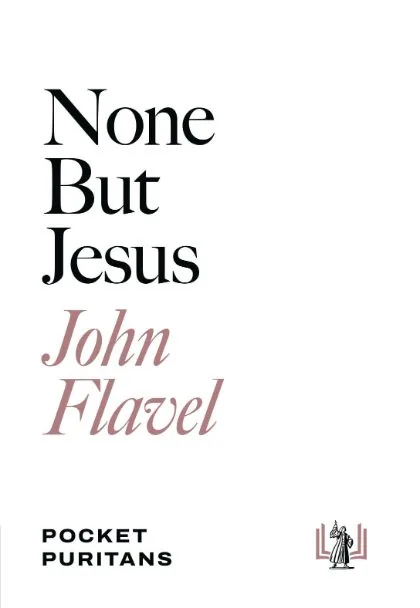
None But Jesus
John Flavel
The easiest possible entry: Flavel on resting your whole weight on Christ. Read it in one sitting.
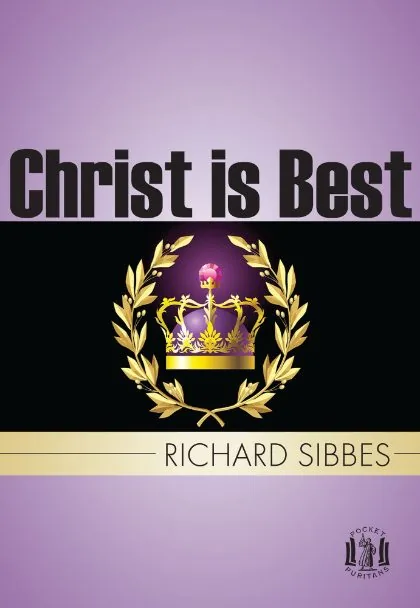
Christ is Best
Richard Sibbes
Sibbes on why Christ outshines everything you could set beside him. Short, warm, unforgettable.
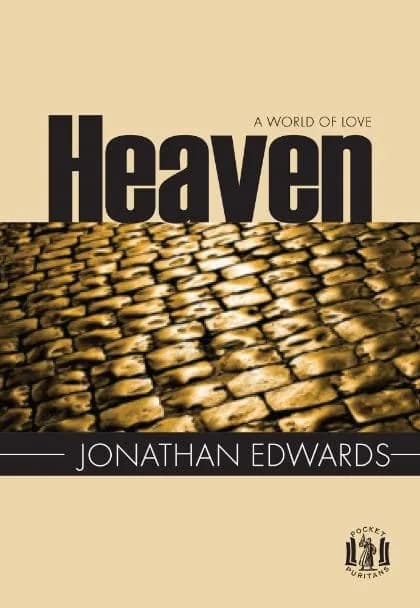
Heaven
Jonathan Edwards
Edwards on the world to come, distilled to a few pages. A gentle taste of a giant.
Level 2: Build the foundation
Your first full treatises, and the core of any beginner's shelf. These four are warm, vivid, and practical, and they teach you how to read a Puritan book cover to cover.

The Bruised Reed
Richard Sibbes
The gentlest full treatise to begin with: Christ's tenderness toward weak, struggling believers.
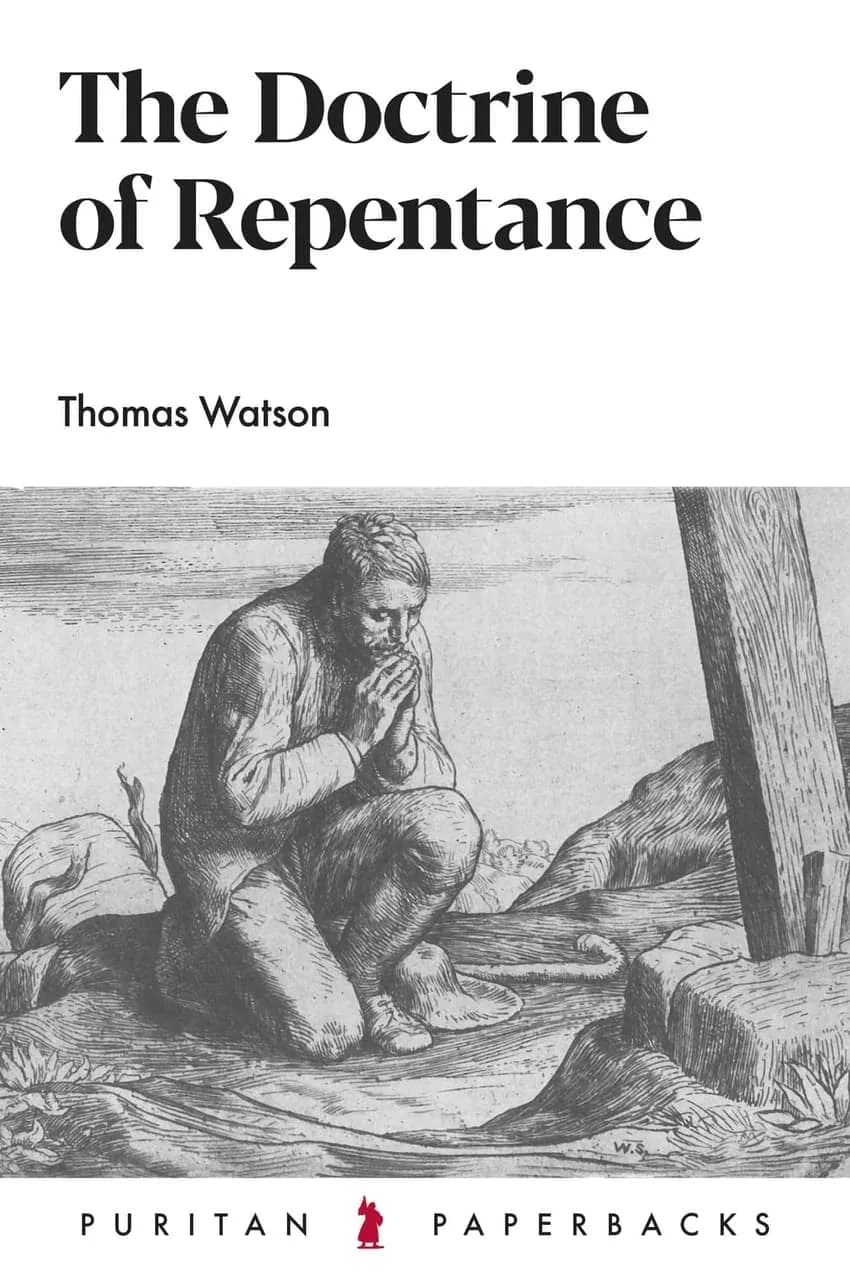
The Doctrine of Repentance
Thomas Watson
Watson is the most readable Puritan. The clearest way into serious doctrine.
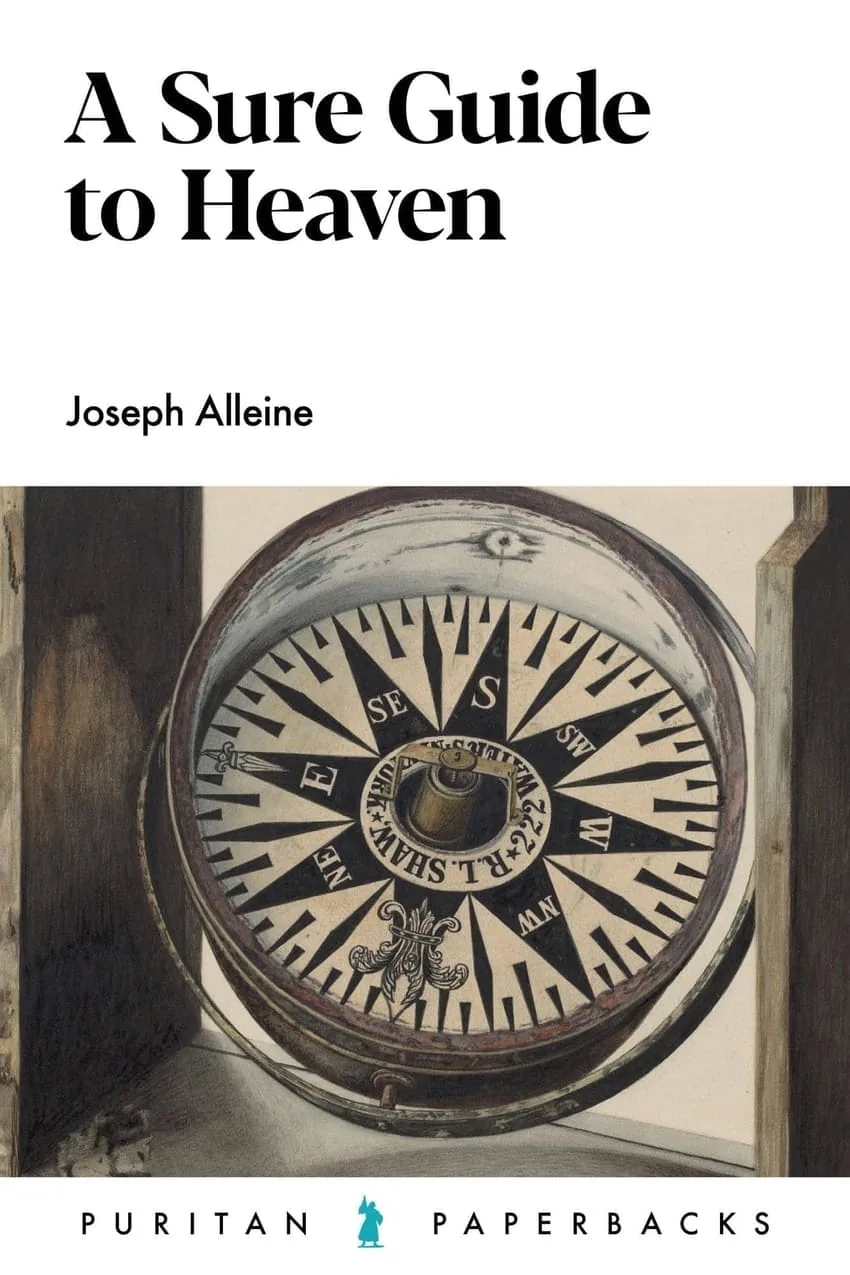
A Sure Guide to Heaven
Joseph Alleine
Alleine's searching call to conversion and assurance. Short but weighty.
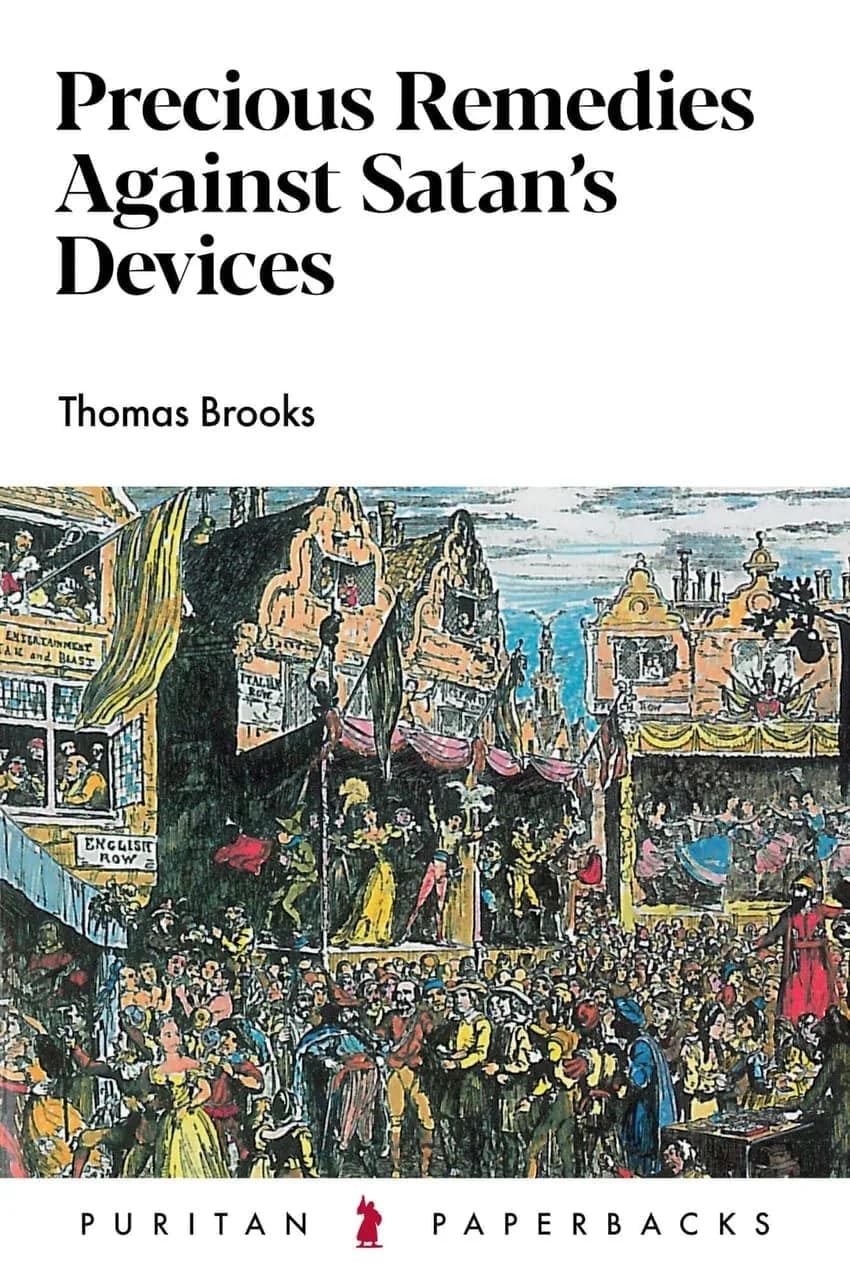
Precious Remedies Against Satan's Devices
Thomas Brooks
Brooks names Satan's specific tricks and the remedy for each. Structured and immediately useful.
Level 3: Go deeper
Once the Puritan voice feels familiar, these press further into providence, suffering, and assurance. Still readable, but weightier and more searching than Level 2.
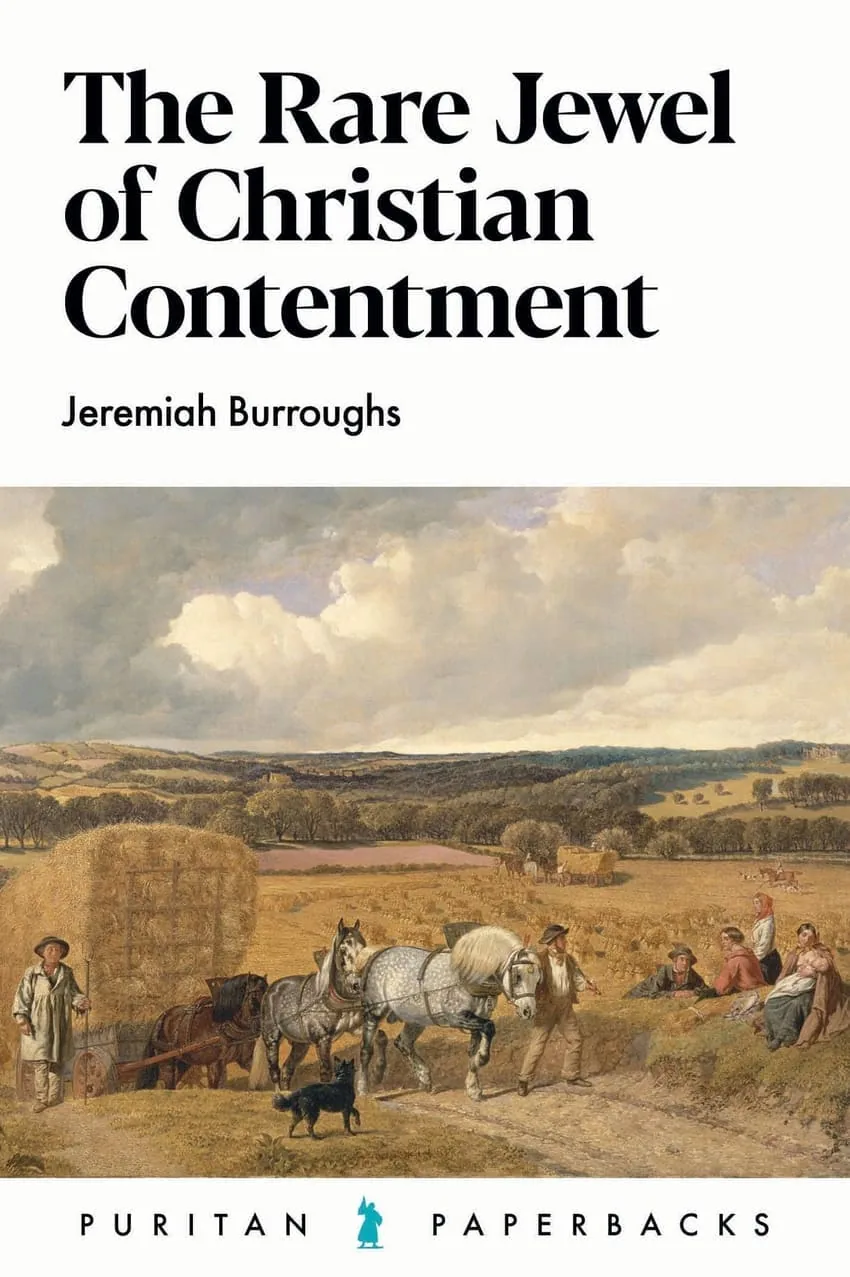
The Rare Jewel of Christian Contentment
Jeremiah Burroughs
Burroughs on learning to be content in every circumstance. The definitive book on the subject.

The Mystery of Providence
John Flavel
Flavel teaches you to read God's hand in the ordinary events of your life.
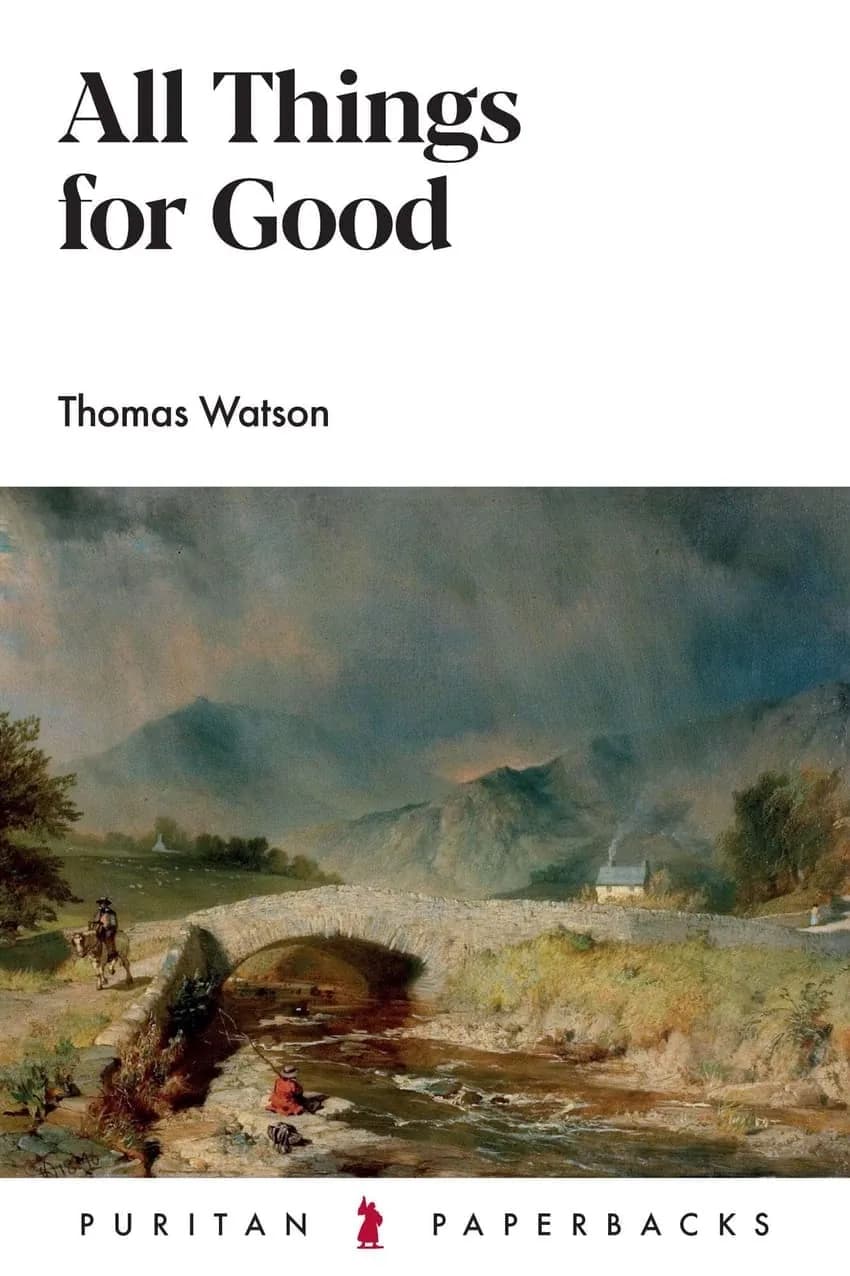
All Things For Good
Thomas Watson
Watson on Romans 8:28. The book to reach for when you are walking through hardship.

The Christian's Great Interest
William Guthrie
Guthrie on how to know you are truly saved. Spurgeon's favorite on assurance.
Level 4: Advanced (Owen and the deep end)
The peak of the plan. John Owen is demanding but life-changing, and by now you are ready. Start with The Mortification of Sin, the famous next step, and work toward The Glory of Christ as a capstone. The Reformed Pastor is for anyone who shepherds others.
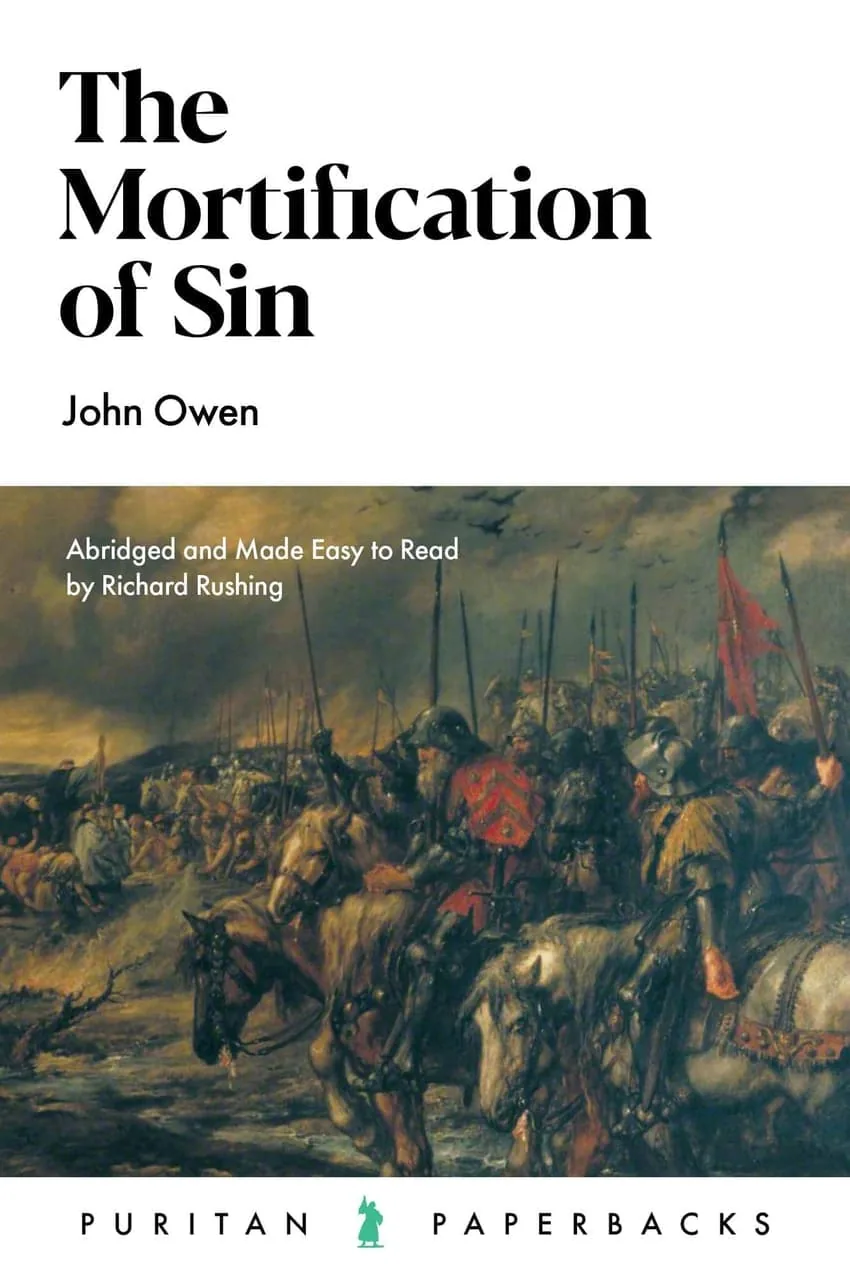
The Mortification of Sin
John Owen
The famous next step: Owen on killing sin before it kills you. Harder going, worth every page.
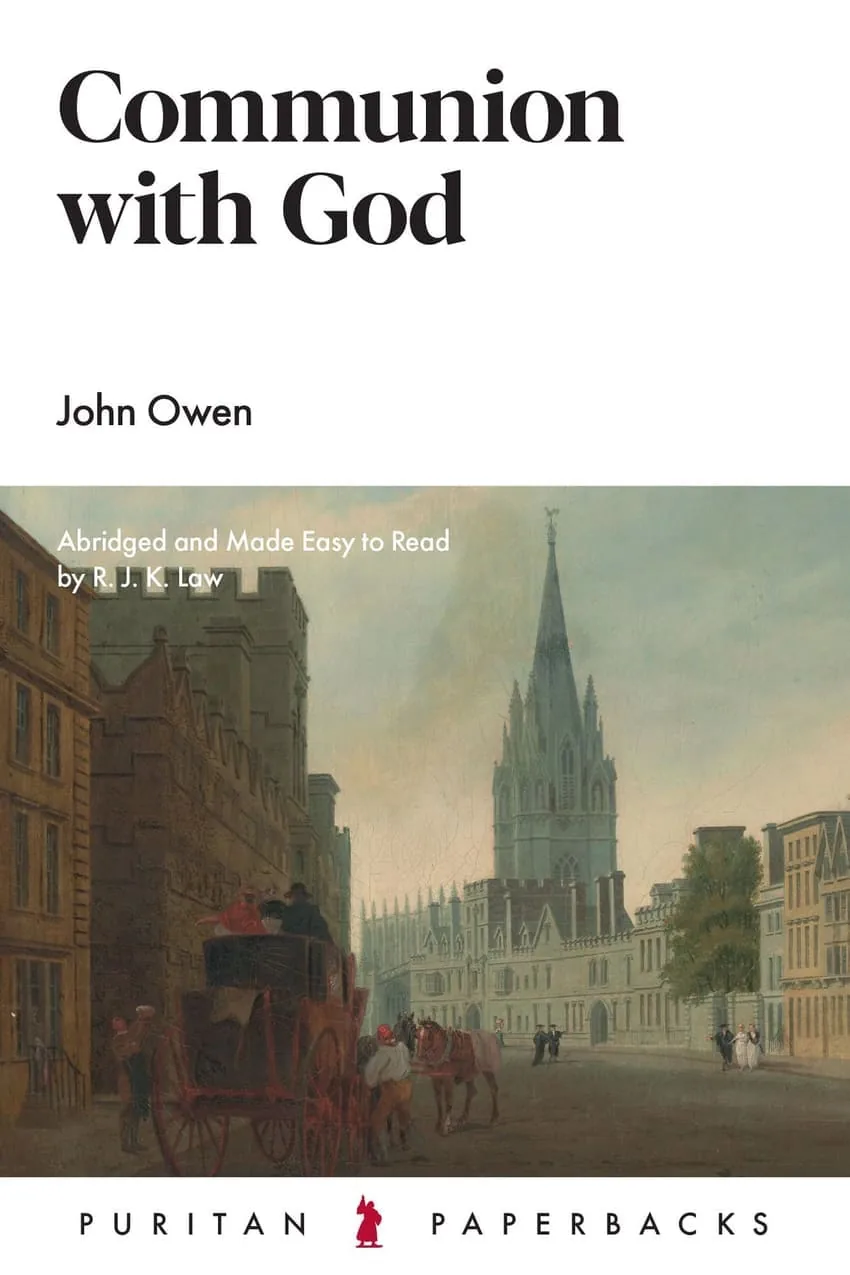
Communion with God
John Owen
Owen on real fellowship with Father, Son, and Spirit. Rich and slow, best after Mortification.
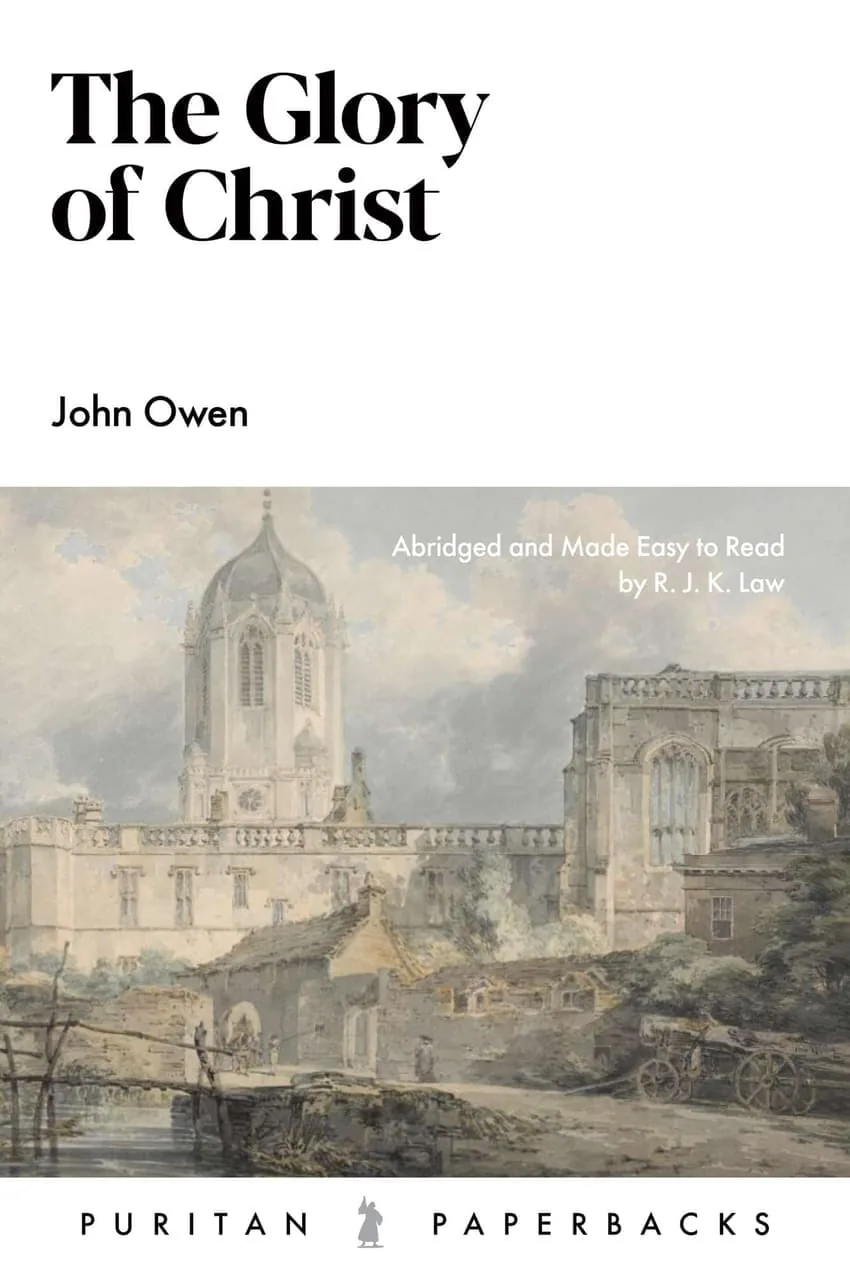
The Glory of Christ
John Owen
Owen's capstone, written near the end of his life. Beholding Christ until you see him face to face.
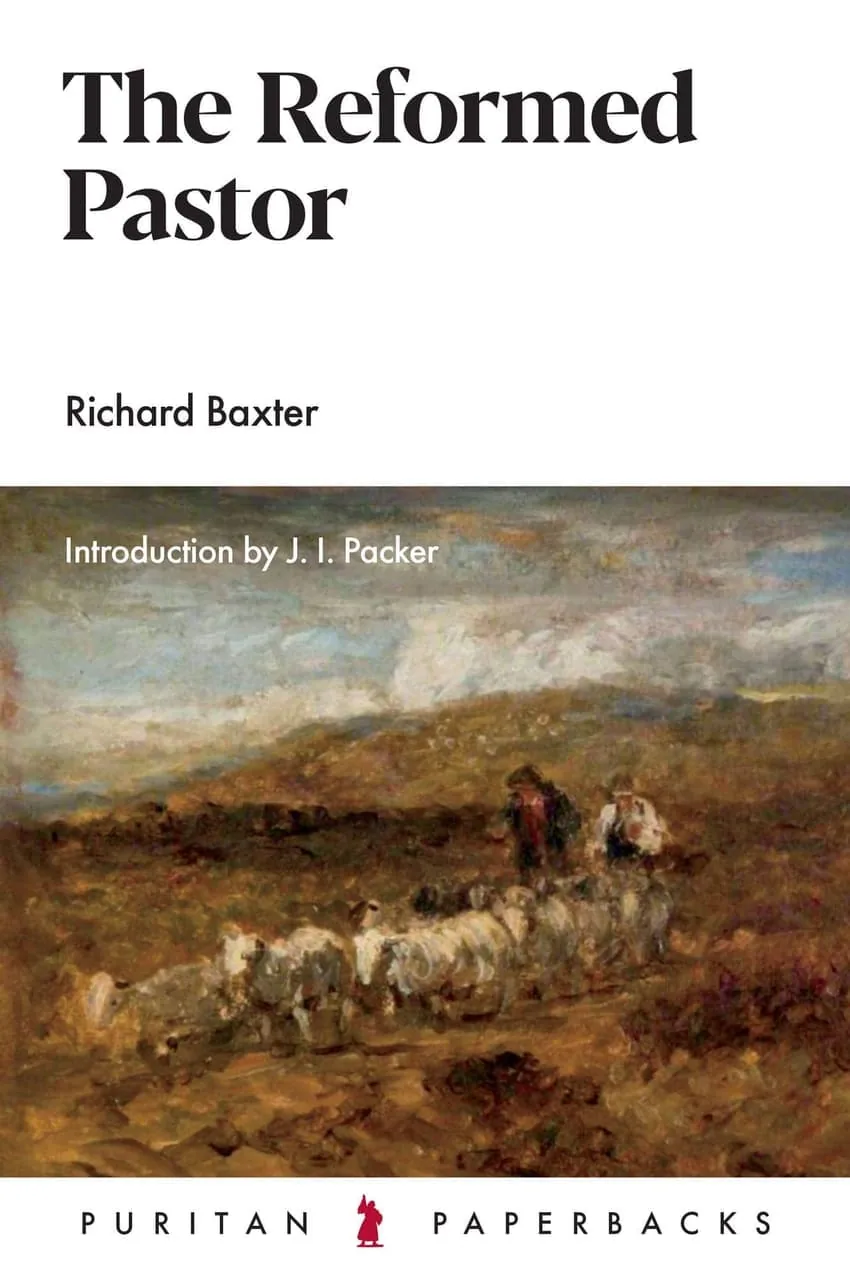
The Reformed Pastor
Richard Baxter
Baxter's charge to everyone who shepherds others. Essential reading for those in ministry.
Themed tracks (read by what you need)
If a level-by-level march feels too rigid, follow a track instead. Each one gathers a few books in order around a single need, so you can start with whatever presses on you today.
The Christian life
Repent, resist temptation, then learn to put sin to death.
The Doctrine of Repentance → Precious Remedies Against Satan's Devices → The Mortification of Sin
Suffering and providence
For seasons of hardship, loss, and hard-to-read circumstances.
The Bruised Reed → The Rare Jewel of Christian Contentment → The Mystery of Providence → All Things For Good
On Christ and communion with God
The heart of Puritan devotion: knowing and enjoying Christ himself.
Assurance and salvation
How to come to Christ, and how to know that you truly have.
The reference shelf
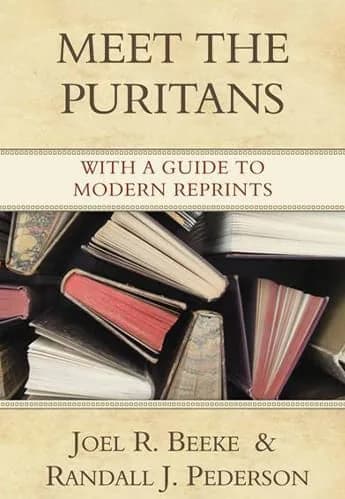
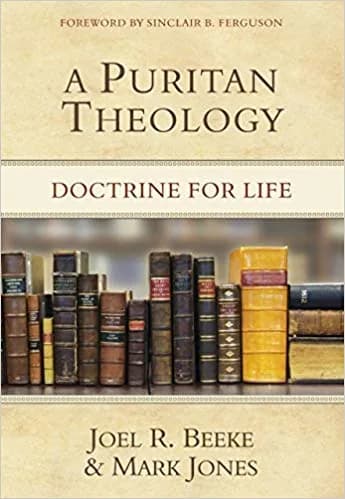
Two books to keep beside the plan. Read these piecemeal, not cover to cover: dip in when you want the background on an author or the fuller doctrine behind a theme.
A sample 12-month reading schedule
One book a month, ascending in difficulty across the year. Finish this and you will have read twelve Puritan classics and stepped through the door to Owen.
| Month | Book | Theme |
|---|---|---|
| Month 1 | None But Jesus, John Flavel | Resting on Christ |
| Month 2 | Christ is Best, Richard Sibbes | The worth of Christ |
| Month 3 | Heaven, Jonathan Edwards | Longing for glory |
| Month 4 | The Bruised Reed, Richard Sibbes | Christ's gentleness |
| Month 5 | The Doctrine of Repentance, Thomas Watson | Repentance |
| Month 6 | Precious Remedies Against Satan's Devices, Thomas Brooks | Temptation |
| Month 7 | The Rare Jewel of Christian Contentment, Jeremiah Burroughs | Contentment |
| Month 8 | A Sure Guide to Heaven, Joseph Alleine | Conversion |
| Month 9 | The Mystery of Providence, John Flavel | Providence |
| Month 10 | All Things For Good, Thomas Watson | Suffering |
| Month 11 | The Christian's Great Interest, William Guthrie | Assurance |
| Month 12 | The Mortification of Sin, John Owen | Killing sin |
Month twelve begins Level 4. From there, continue with Communion with God, The Glory of Christ, and, if you are in ministry, The Reformed Pastor.
Frequently asked questions
Where should I start reading the Puritans?
Start with a short book. For a one-sitting taste, read a Pocket Puritan like None But Jesus by John Flavel or Christ is Best by Richard Sibbes. For your first full treatise, read The Bruised Reed by Richard Sibbes. It is warm and entirely about Christ's gentleness toward weak believers, which makes it the gentlest on-ramp.
What is the easiest Puritan book to read first?
The Bruised Reed by Richard Sibbes is the most common answer for a full book. If you want something even shorter, the Pocket Puritans, such as None But Jesus by John Flavel, can be read in a single sitting. Both are gentle, warm, and Christ-centered, and both are ideal first books.
In what order should I read the Puritans?
Read short before long and readable before demanding. Begin with a Pocket Puritan or The Bruised Reed, then Watson's Doctrine of Repentance and Burroughs' Rare Jewel of Christian Contentment, then Flavel's Mystery of Providence and Watson's All Things for Good, and only then move up to John Owen's The Mortification of Sin. The four-level plan on this page lays out the full sequence.
Are the Puritans hard to read?
Some are, some are not. Thomas Watson, Richard Sibbes, John Flavel, and Thomas Brooks read almost like a modern devotional, while John Owen and Thomas Goodwin are more demanding. Modern editions such as the Puritan Paperbacks update the spelling and lightly abridge the text, which removes most of the difficulty. Start with the readable authors and the reputation for difficulty fades quickly.
How long does it take to read a Puritan book?
A Pocket Puritan can be read in an hour or two. A typical Puritan Paperback runs roughly 100 to 250 pages, so at a chapter a day most readers finish in one to three weeks. Owen's longer works take more time, but they are meant to be read slowly and meditated on, not raced through.
Which John Owen book should I read first?
Start with The Mortification of Sin. It is his most famous and most practical work, on how to kill remaining sin by the power of the Spirit. After that, read Communion with God, and save The Glory of Christ, his final and most contemplative book, for last.
Pick your first book
Take a one-sitting taste with the Pocket Puritans, see the ranked shortlist in our best Puritan books for beginners, or browse all 64 Puritan Paperbacks and start today.