
A reader's guide
Why Read the Puritans?
Three and four centuries after they wrote, the Puritans are being read more than ever. Here is why they are worth your time, what to do about the reputation and the old English, and exactly where to start.
Who were the Puritans?
The Puritans were English and Scottish pastors and writers, mostly of the sixteenth and seventeenth centuries, who wanted to see the church and the whole Christian life shaped fully by Scripture. They were preachers first, and most of their books began as sermons, which is why they read less like textbooks and more like a wise pastor speaking straight to the soul.
The name began as an insult. In the 1560s, “Puritan” was a term of mockery for those who felt the English Reformation had stalled halfway, and who wanted the church further “purified” of practices they could not find in the Bible. What started as ridicule became the label for one of the richest movements in the history of the church.
Puritanism was never a single denomination but a spirit and a conviction: that Scripture should govern not only doctrine and worship but the ordinary business of living, and that true faith is felt in the heart as well as understood in the mind. They called this “experimental” or experiential religion, and it runs through everything they wrote.
The movement rose through the Elizabethan age and reached its height in the seventeenth century. In the 1640s the Westminster Assembly produced the Westminster Confession of Faith and its Shorter and Larger Catechisms, still among the most influential summaries of Reformed belief ever written. For many Puritans, public ministry was cut short by the Great Ejection of 1662, when roughly two thousand ministers were forced out of the Church of England. A great deal of their finest writing was done afterward, in poverty, prison, or exile.
The best-known Puritan writers include John Owen, often called the theologian's theologian; Thomas Watson, prized for vivid, quotable prose; Richard Sibbes, known as “the heavenly Doctor”; John Flavel and Thomas Brooks, masters of warm pastoral counsel; Richard Baxter, one of the most prolific writers of his age; and John Bunyan, whose Pilgrim's Progress became one of the most widely read books in the English language.
For generations the Puritans were largely forgotten. Their recovery in the last hundred years, above all through the reprinting of their works in affordable modern editions, has put them back into the hands of ordinary readers, who are discovering what earlier generations knew: that few writers are so searching, so comforting, and so practical about the Christian life.
Why read the Puritans? Six reasons.
1. They shape your life by Scripture
The Puritans lived in the Bible. The bulk of their writing is Scripture opened, applied, and pressed home, so that reading them trains you to think God's thoughts after him rather than merely collecting information about him.
2. They make much of Christ
For the Puritans, Christ was, in Thomas Adams's phrase, the sum of the whole Bible, to be found on every page. Books like Sibbes's The Bruised Reed were written to warm cold hearts back to love for him.
3. They turn doctrine into daily life
The Puritans never left a truth in the abstract. They took each doctrine and drove it to the mind, the conscience, and the heart, always ending in what they called its “uses” for real, ordinary life.
4. They are surgeons of the heart
No one anatomizes sin, temptation, and self-deception like the Puritans. John Owen's famous warning in The Mortification of Sin, “Be killing sin or it will be killing you,” captures their relentless, practical realism about the inner life.
5. They comfort you in suffering
Many Puritans wrote from prison, exile, or deep loss, and their books on providence and contentment, like Flavel's The Mystery of Providence and Burroughs's The Rare Jewel of Christian Contentment, have steadied Christians in hardship ever since.
6. They set your eyes on eternity
The Puritans lived, as they put it, with heaven and hell in view. They pull your gaze up from the noise of the moment to the things that will still matter in a thousand years.
But aren't the Puritans...
“...joyless killjoys?”
It is the most common myth, and the opposite of the truth. The Puritans wrote some of the warmest, most affectionate, most joy-filled books in the Christian tradition. Their aim was not to take away pleasure but to point you to its source.
“...too hard to read?”
The original editions can be dense. But you do not have to start there. Modern editions update the spelling, break up the long paragraphs, and often abridge the text. The Puritan Paperbacks and the pocket-sized Pocket Puritans were made for exactly this, a Puritan classic you can actually finish. Start there and the difficulty disappears.
“...men of their time?”
Some readers hesitate because the Puritans, like everyone, were people of their own century with real limitations. That is fair to keep in mind. It is also true of every writer worth reading, and it takes nothing away from the spiritual wisdom their best books still offer.
Which Puritan book should you read first?
The best first book is the one that meets you where you are. Find your need, and start there.
| If you are facing... | Read |
|---|---|
| Worry and anxiety | The Mystery of Providence, John Flavel |
| Restlessness and discontent | The Rare Jewel of Christian Contentment, Jeremiah Burroughs |
| A sin you can't shake | The Mortification of Sin, John Owen |
| Grief and suffering | All Things For Good, Thomas Watson |
| Temptation | Precious Remedies Against Satan's Devices, Thomas Brooks |
| Doubt and assurance | The Christian's Great Interest, William Guthrie |
| Feeling weak or bruised | The Bruised Reed, Richard Sibbes |
Where to start: a Puritan reading path
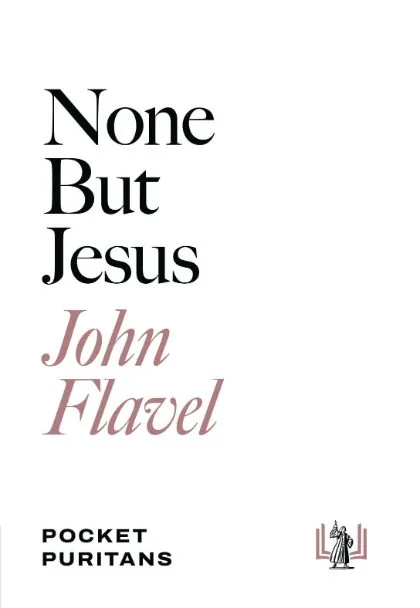
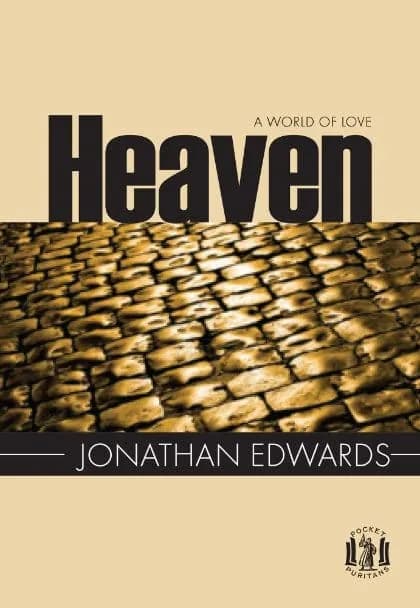
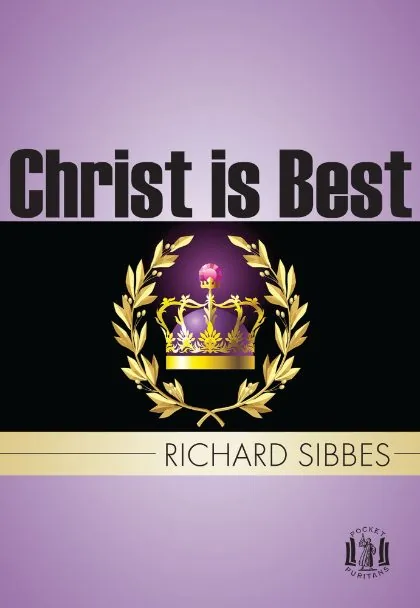
1. The gentlest way in: Pocket Puritans
Short, pocket-sized classics you can read in an evening. The easiest possible on-ramp.

2. Your first full Puritan Paperbacks
Short, warm, and practical, the classics almost everyone recommends starting with.
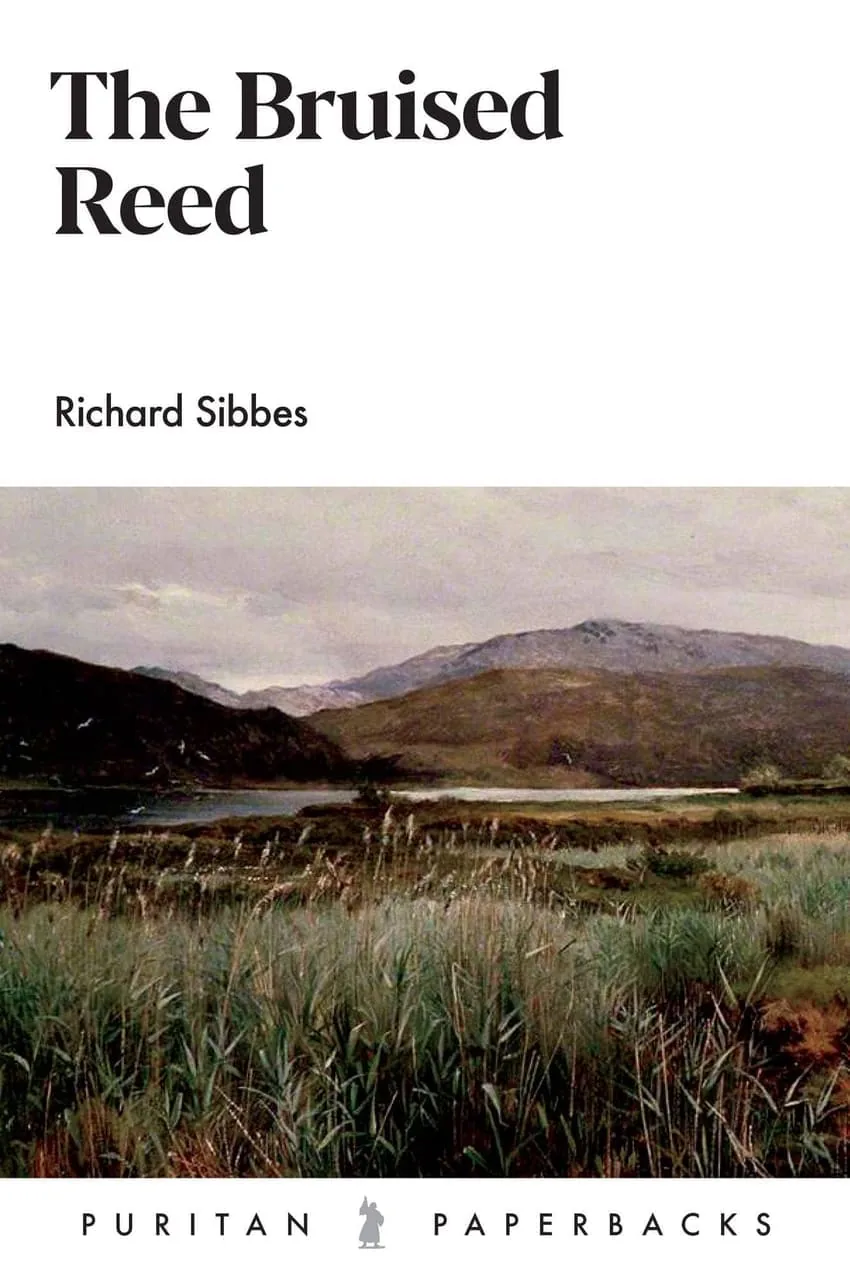
The Bruised Reed
Richard Sibbes
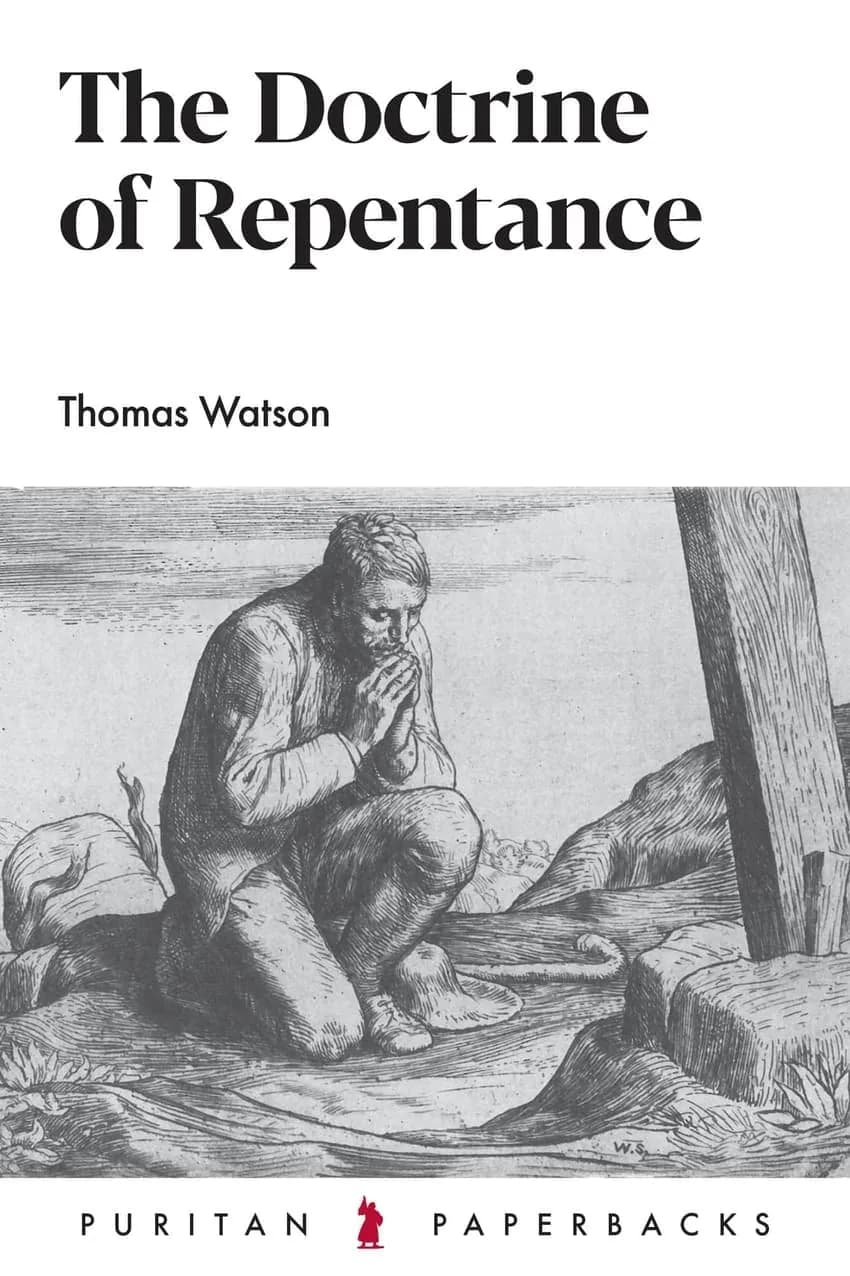
The Doctrine of Repentance
Thomas Watson
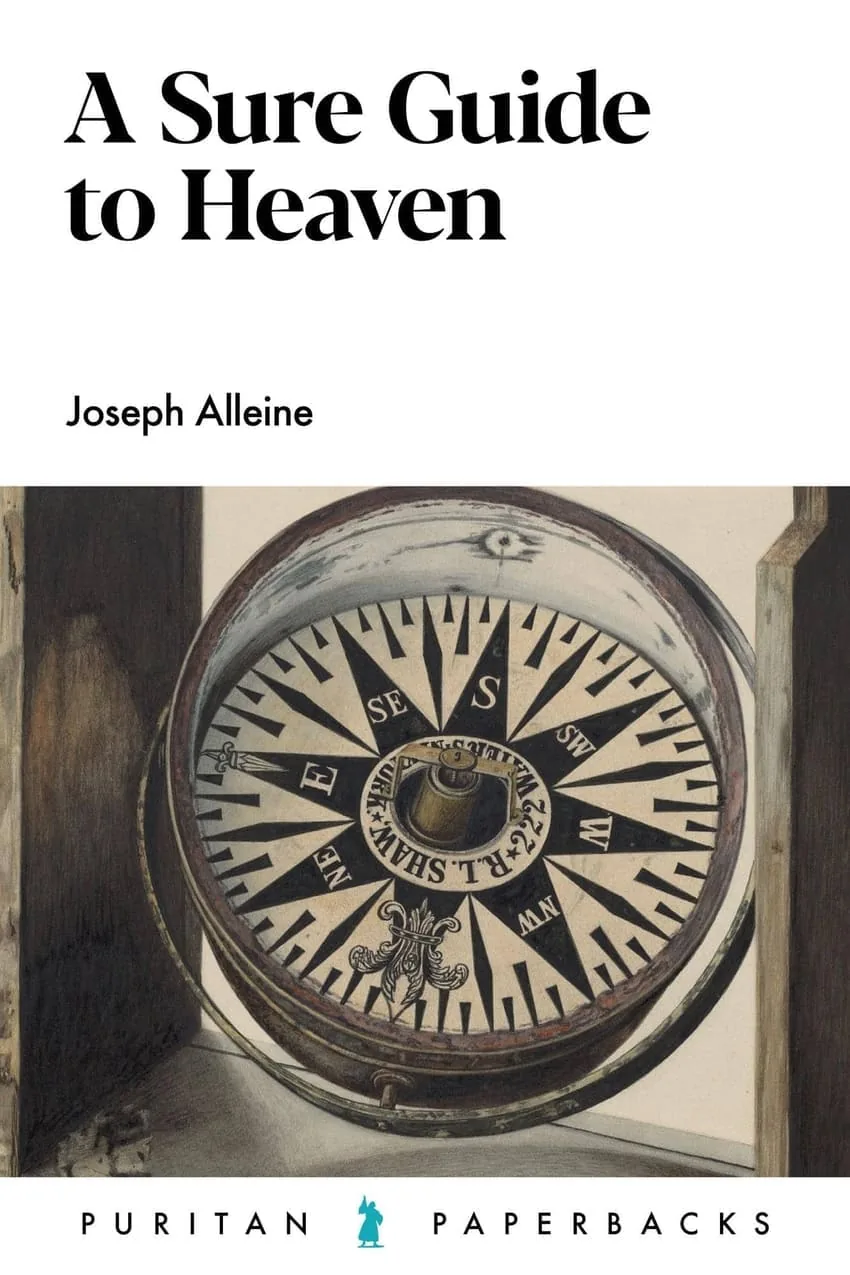
A Sure Guide to Heaven
Joseph Alleine
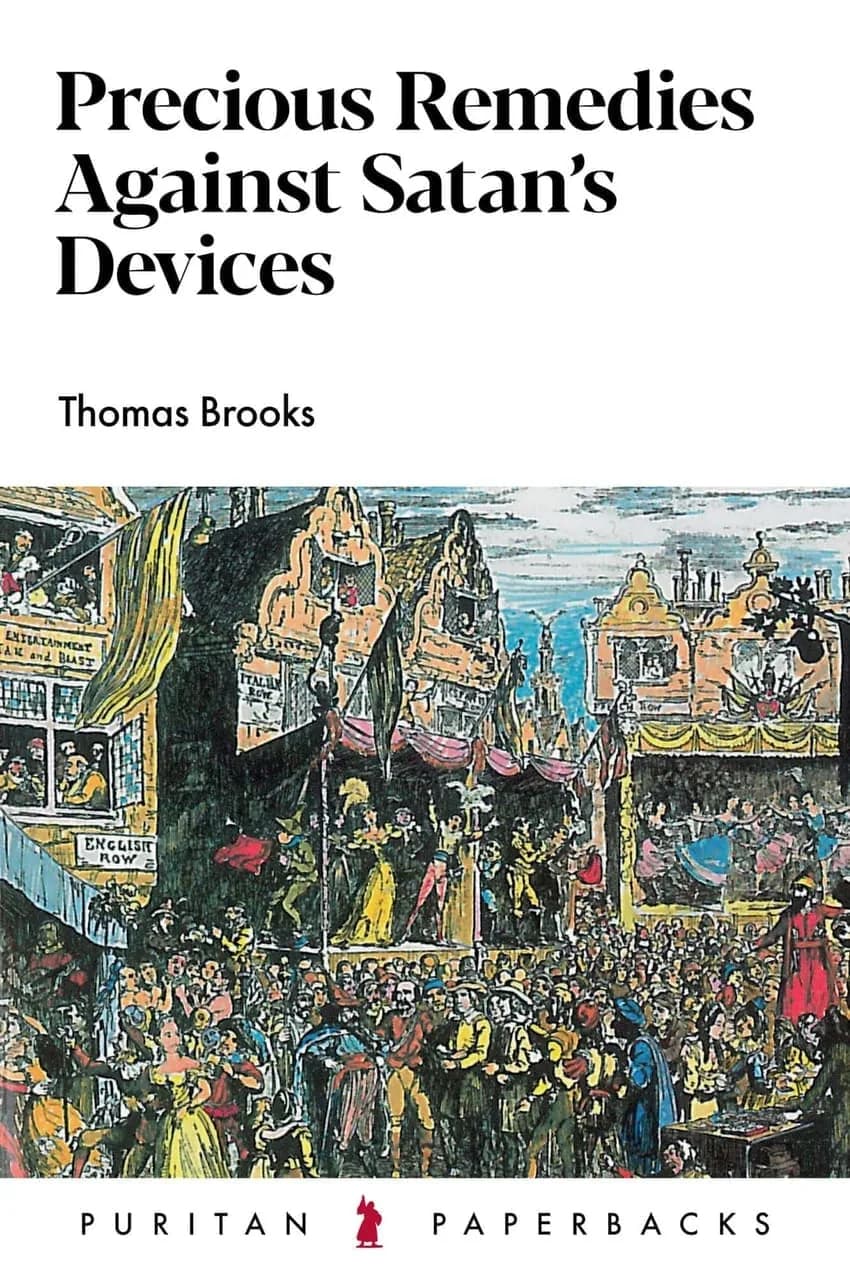
Precious Remedies Against Satan's Devices
Thomas Brooks
3. Going deeper
Once the Puritan voice feels familiar, these reward a slower read.
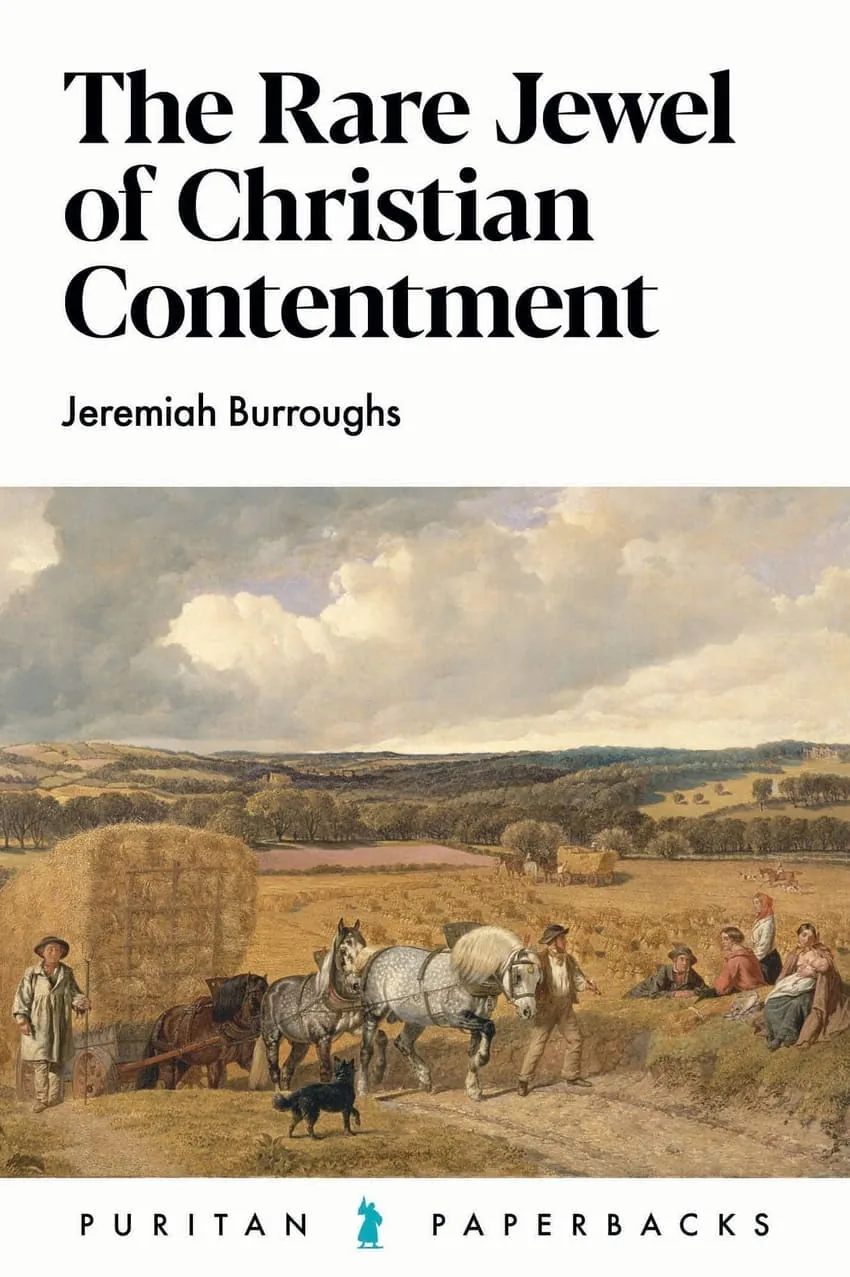
The Rare Jewel of Christian Contentment
Jeremiah Burroughs
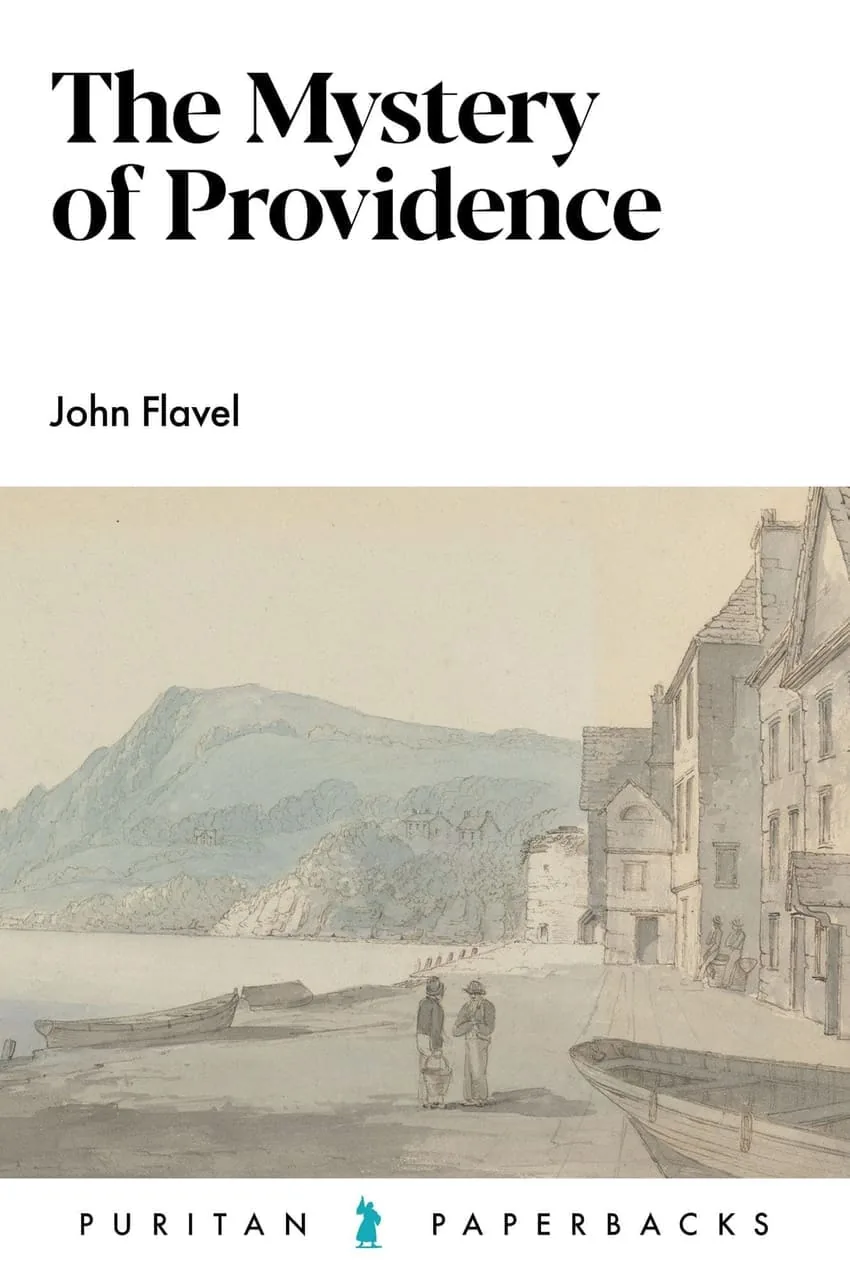
The Mystery of Providence
John Flavel
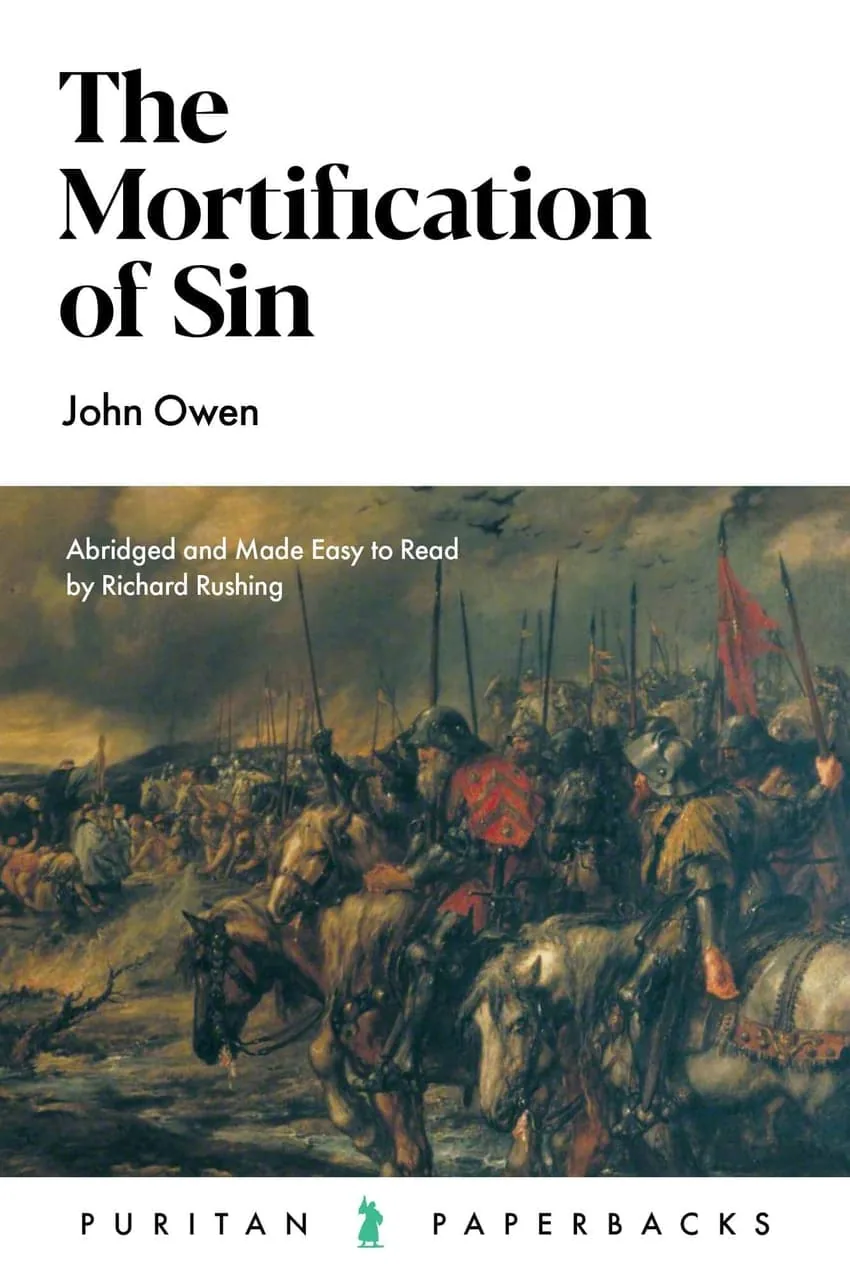
The Mortification of Sin
John Owen
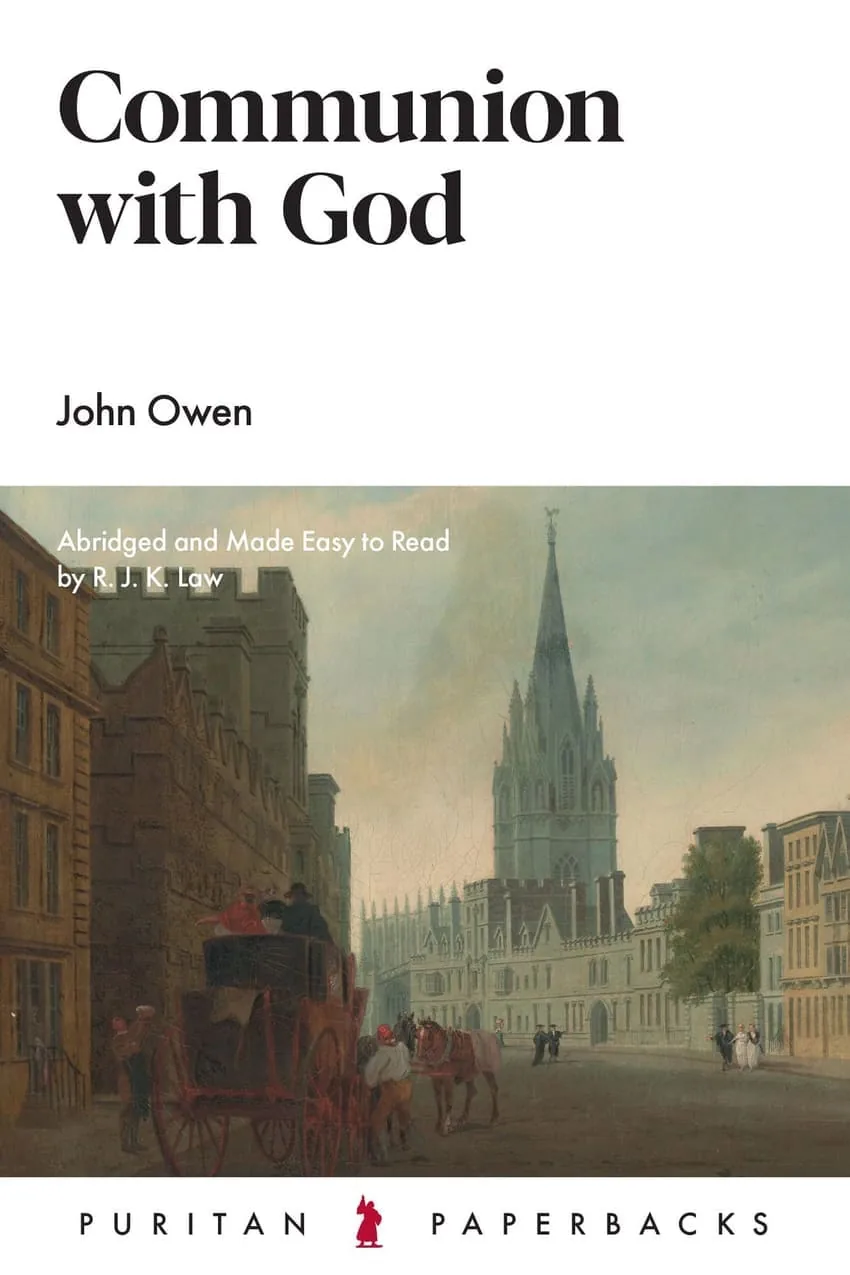
Communion with God
John Owen
4. To understand the whole movement
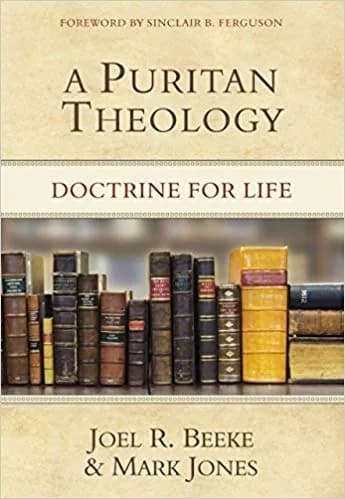
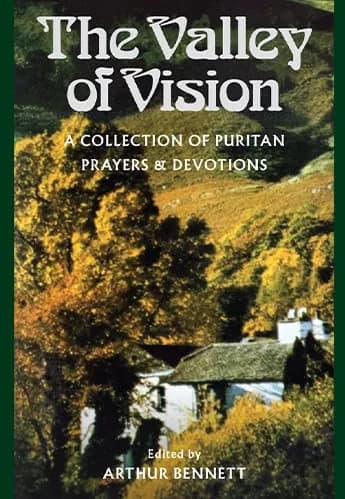
Guides and overviews that map the Puritans and point you to more.
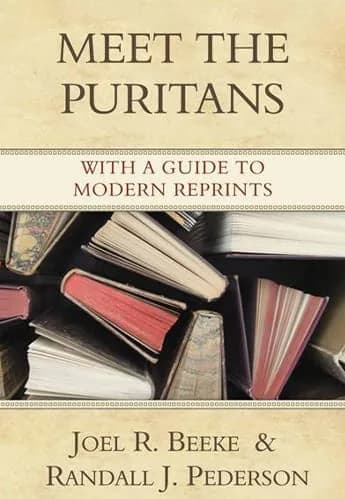
How to read the Puritans without getting stuck
- Begin with a modern edition. Updated spelling and shorter chapters make all the difference. The Puritan Paperbacks and Pocket Puritans are the standard starting point.
- Read slowly and a little at a time. The Puritans are meant to be chewed, not skimmed. A few pages read prayerfully beat a chapter rushed.
- Read to obey, not just to know. As A. W. Tozer observed, the classics are hard to understand only when we read them without any intention of doing what they say.
- You can read many of them free. A great deal of Puritan writing is in the public domain. Collections like Grace Online Library host large archives, though most readers find the modern printed editions well worth it.
Frequently asked questions
Which Puritan should I read first?
Start with a short, warm, practical book rather than a dense treatise. Richard Sibbes's The Bruised Reed, Thomas Watson's The Doctrine of Repentance, and Jeremiah Burroughs's The Rare Jewel of Christian Contentment are ideal first reads. If even those feel long, the Pocket Puritans series gives you a Puritan classic in under a hundred pages.
Are the Puritans hard to read?
The original 17th-century editions can be dense, with long sentences and older spelling. But most Puritan classics are now available in modern editions that update the spelling, break up the paragraphs, and sometimes abridge the text. The Banner of Truth Puritan Paperbacks and Pocket Puritans are the easiest way in. Read slowly, a few pages at a time, and the difficulty falls away quickly.
Where can I read the Puritans for free?
Many Puritan works are in the public domain and can be read online at no cost. Grace Online Library (graceonlinelibrary.org) hosts a large collection of Puritan and Reformed texts, and other archives carry public-domain editions. For readability, though, most people find the modern printed editions well worth the small cost.
Are the Puritans still relevant today?
Yes. The Puritans wrote about the human heart, sin, suffering, contentment, temptation, and assurance, subjects that have not changed in four hundred years. Their pastoral, experiential approach speaks directly to the same struggles readers face now.
Who were the most important Puritan writers?
The most widely read include John Owen, Thomas Watson, Richard Sibbes, John Flavel, Thomas Brooks, John Bunyan, Richard Baxter, and Jeremiah Burroughs. Each has short, accessible books still in print today.
Start reading the Puritans
Browse the complete Puritan Paperbacks and Pocket Puritans, explore every author, or read hundreds of Puritan quotes.