
The publisher
The Banner of Truth Trust
If you have read a Puritan in the last sixty years, there is a fair chance The Banner of Truth printed it.
You cannot get far into the Puritans in modern English without reading Banner of Truth. For most of the last sixty years they have been the ones keeping these books in print at all: the modernised paperbacks, the unabridged collected works, the commentaries. Others have done good work in the same field, but the shelf that made the Puritans readable again is largely theirs.
The Banner of Truth Trust is a non-profit Reformed publisher, founded in London in 1957 and now based in Edinburgh. It keeps Puritan and Reformed books in print at every scale, from the pocket-sized Puritan Paperbacks up to the sixteen-volume Works of John Owen and the Geneva Series of Commentaries. It is worth knowing what kind of organisation it is, because that is what explains the catalogue: this is a charity rather than a commercial house, and it was founded to make an argument rather than to fill a list.
A note on who we are.This is an independent reader's guide to the Trust's books, written by readers of them. We are not the Banner of Truth Trust, we are not affiliated with it, and nothing here is published on its behalf. To buy directly from the publisher or to subscribe to the magazine, go to banneroftruth.org.
A magazine that turned into a publisher
The magazine came first. The Banner of Truth appeared in September 1955, and the publishing house followed two years later, founded in London in 1957 by Iain Murray, Sidney Norton and Jack Cullum. The order matters, because it explains the character of the enterprise: this began as an argument being made to a readership, not as a business looking for a catalogue.
The argument was that the Reformed and Puritan writers had been allowed to go out of print, and that English-speaking Christianity was poorer for it. In 1957 that was a minority position. Most of these books existed only in Victorian collected editions, in libraries, in blackletter or in nothing at all.
The Trust is formally a charity, registered in the United Kingdom as number 235652, and it is structured as a non-profit rather than a commercial publisher. That is not incidental. It is why a 136-page Owen paperback costs what it costs, and why titles stay in print for decades on modest sales.
Its influence ran wider than its own catalogue. The Trust is closely tied to the twentieth-century revival of interest in evangelical Calvinism in England, and it did a great deal of the work of bringing Jonathan Edwards back into ordinary reading rather than leaving him to specialists. Its logo depicts George Whitefield preaching, which tells you plainly which tradition it understands itself to stand in.
Today the head office is in Edinburgh, with a branch and distribution point in Carlisle, Pennsylvania. It holds an annual ministers' conference and a youth conference in the UK, an annual conference in the United States, and a biennial conference in Australia.
What the Trust publishes
The paperbacks are the best-known part of the catalogue and the smallest part of the achievement. The Trust publishes at several quite different scales, and working out which one you want saves both money and disappointment.
Puritan Paperbacks
The series most readers arrive through. Roughly 120 to 350 pages each, modernised spelling, priced to be bought on impulse. Owen, Watson, Sibbes, Brooks, Flavel and Bunyan all live here. There are 64 of them covered on this site.
Browse all 64 Puritan PaperbacksPocket Puritans
Shorter still, genuinely pocket-sized, readable in one sitting. These are extracts and short works rather than whole treatises, which makes them the cheapest way to find out whether the Puritans suit you before committing an evening to one. 16 are covered here.
Browse the Pocket PuritansThe collected works
This is the part of the catalogue the paperbacks tend to obscure, and it is arguably the Trust's real contribution. An abridged paperback gives you a readable Owen. These give you the whole argument, unabridged, in hardback sets that stay in print for decades.
| Set | Volumes | Worth knowing |
|---|---|---|
| The Works of John Owen | 16 | Sold as a set or as single volumes. The Mortification of Sin and Indwelling Sin in Believers, both paperbacks, come out of volume 6. |
| The Works of John Flavel | 6 | The pastoral Puritan in full, including the sermons. |
| The Works of Stephen Charnock | 5 | Contains The Existence and Attributes of God, the reason most people buy it. |
| The Christian in Complete Armour | 3 | Gurnall unabridged, as against the single-volume edition most people own. |
| Treasures of John Owen box set | Box set | The usual bridge from one paperback to the whole shelf. |
The Geneva Series of Commentaries
Classic expositions reprinted, from the Reformation and Puritan eras alongside later Reformed writers. These are expository and devotional rather than technical, so they suit a preacher or a serious lay reader better than a student working in the original languages.
Let's Study and the Mini-Guides
The Let's Study series works through a book of the Bible at a level pitched for group or personal study. The Mini-Guides cover doctrine briefly, and are available as a ten-volume set.
The magazine
The Banner of Truth predates the publishing house and still appears eleven times a year, which is how the Trust keeps an argument running rather than just a backlist.
The authors they are known for
Six authors account for most of the Puritan Paperbacks series. They do not read alike, and choosing the right one first matters more than choosing the right title.
John Owen13 titles
The most demanding and most rewarding of the Puritans. Owen on sin and on communion with God is the reason many readers start reading the seventeenth century at all.
Thomas Watson6 titles
The most readable. Watson writes in short, quotable sentences, which is why he is almost always the recommended entry point.
Richard Sibbes6 titles
The gentlest. Sibbes wrote for people who were struggling and wondering whether Christ had time for them.
John Bunyan6 titles
Better known for The Pilgrim's Progress, but his shorter works on prayer and on the fear of God are the ones the Trust keeps in print.
Thomas Brooks5 titles
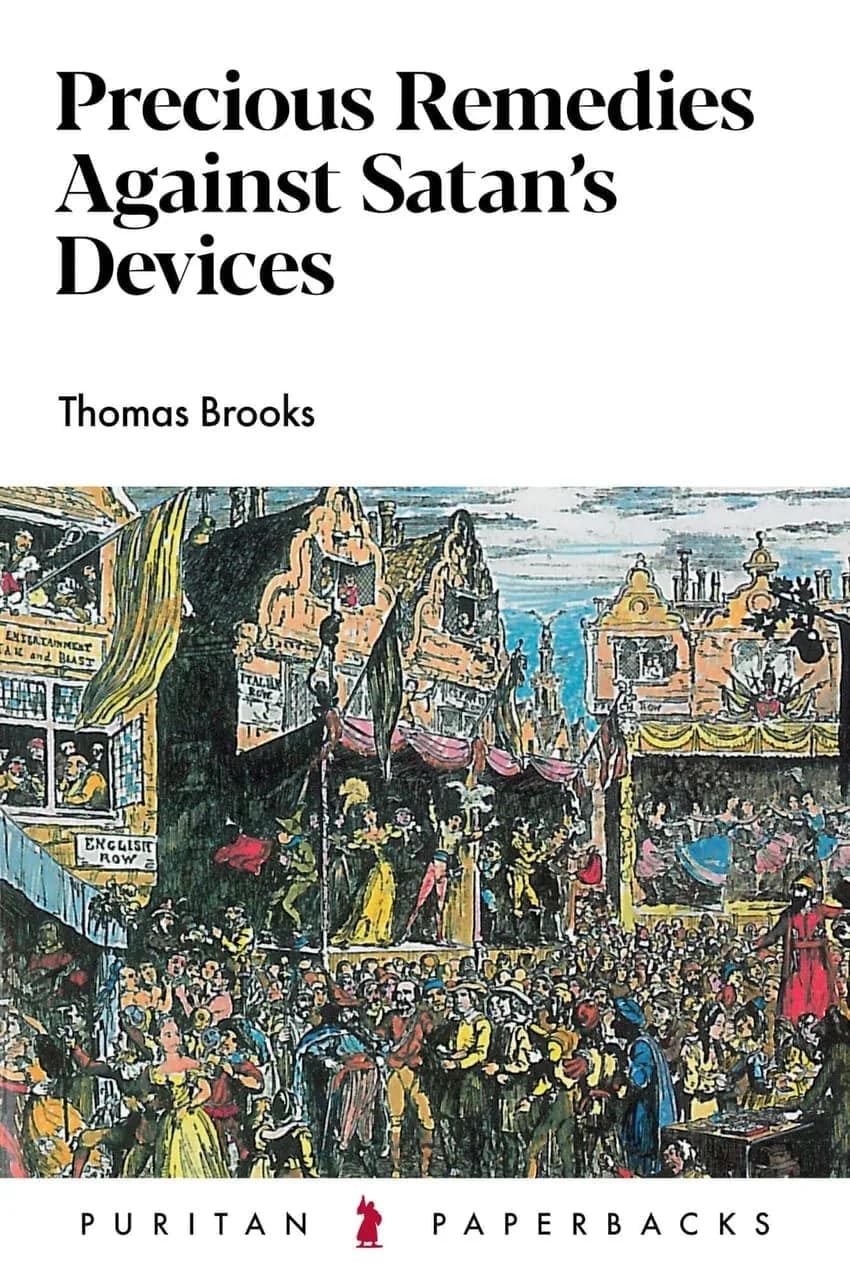
The most practical. Brooks names a temptation, then names the remedy, and does it in numbered lists that are genuinely usable.
John Flavel4 titles
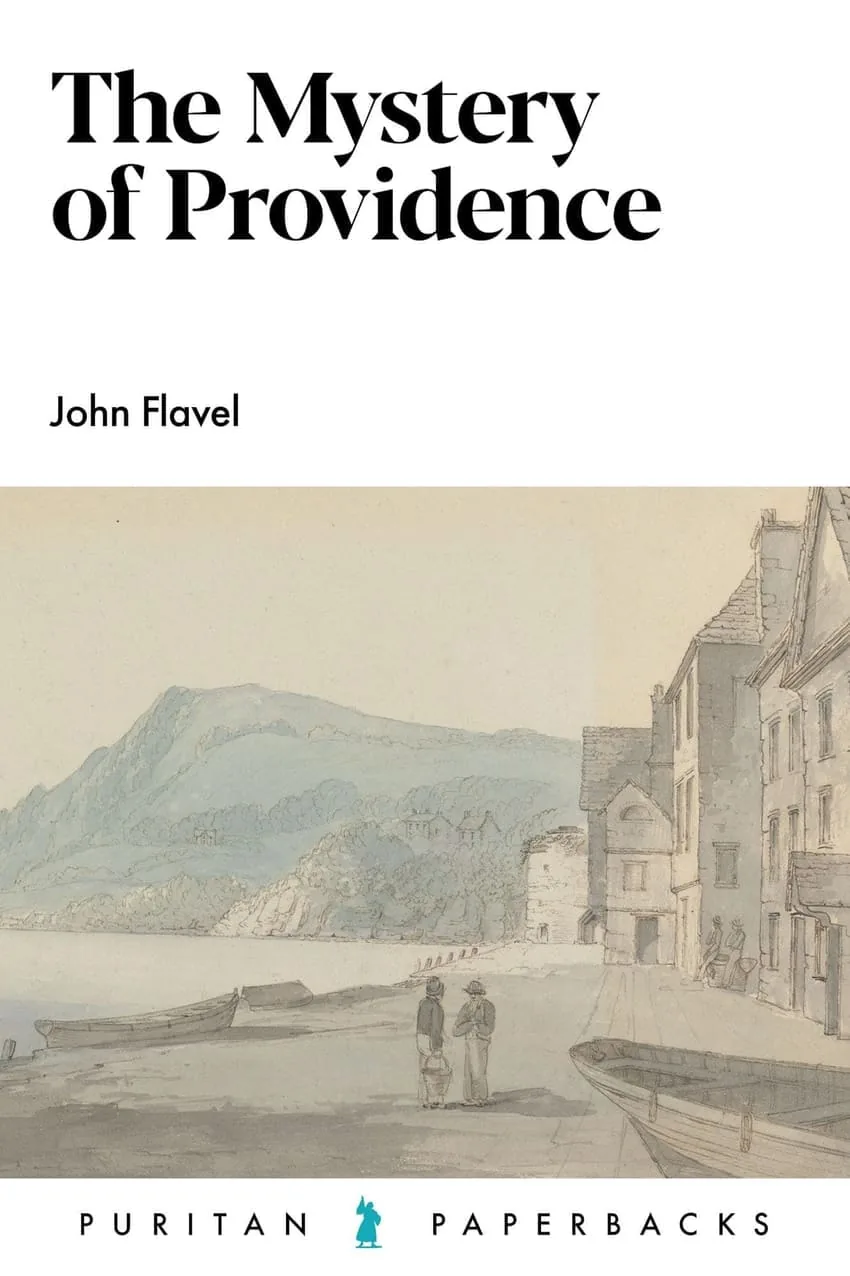
The most pastoral. Flavel wrote to a congregation he had been ejected from, and it shows in every page.
Six titles that define the catalogue
If you want to understand what the Trust is for, these are the books to look at. Every one has stayed in print for decades.
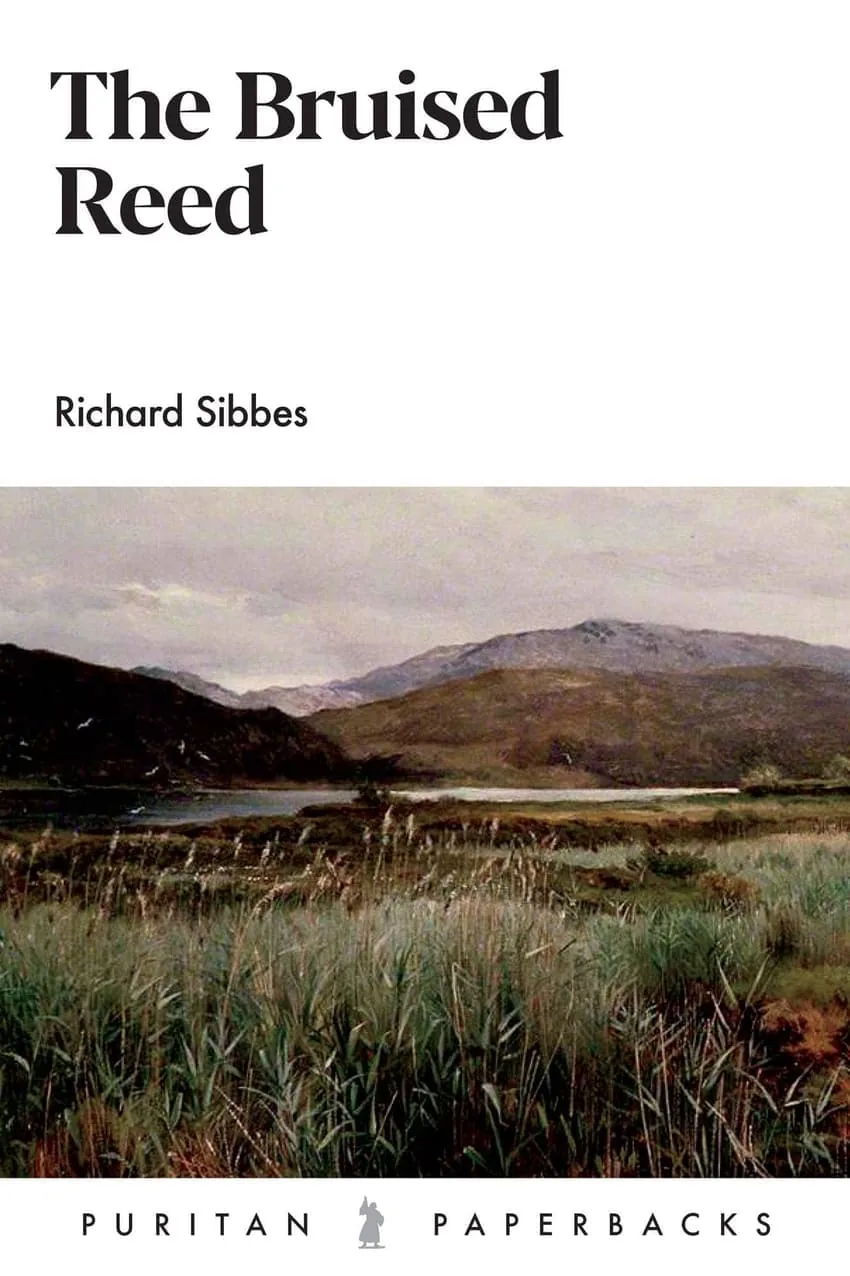
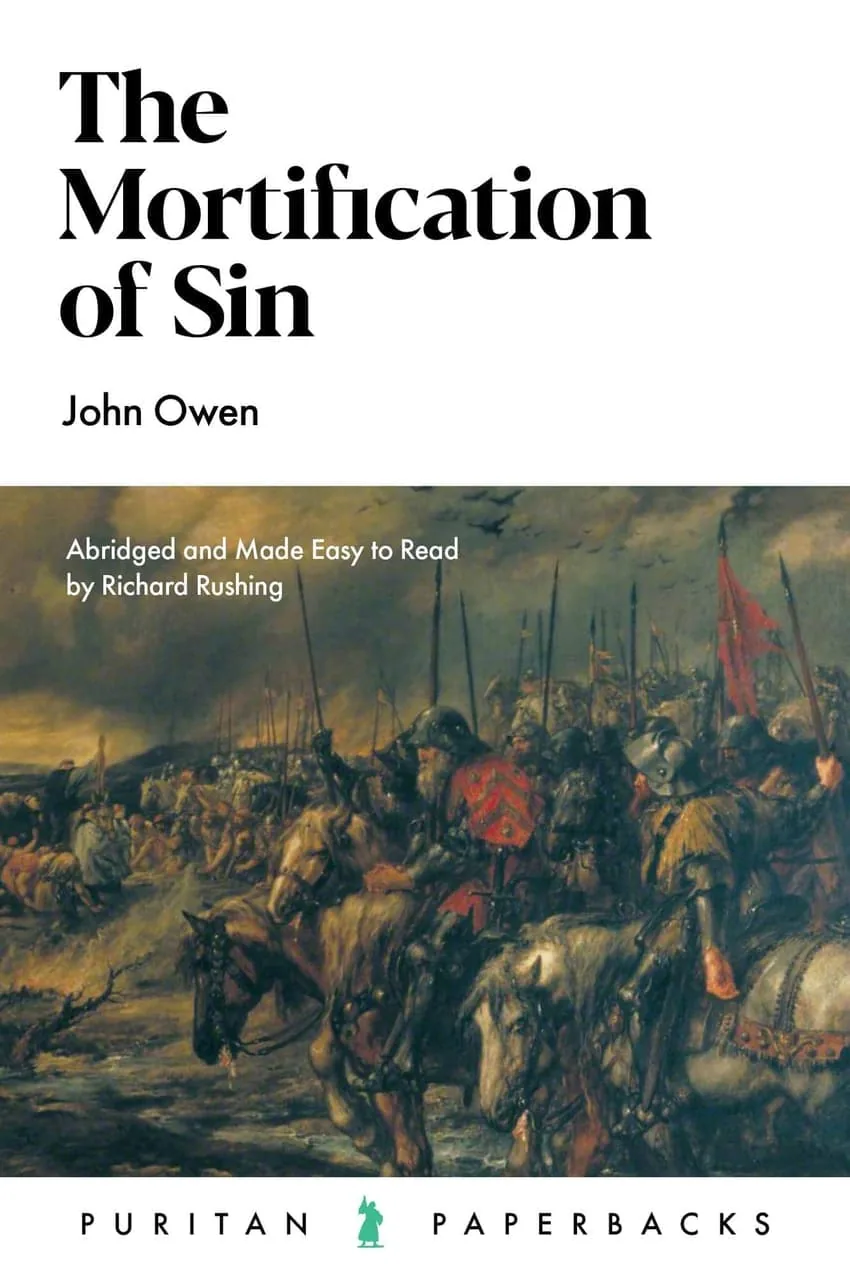
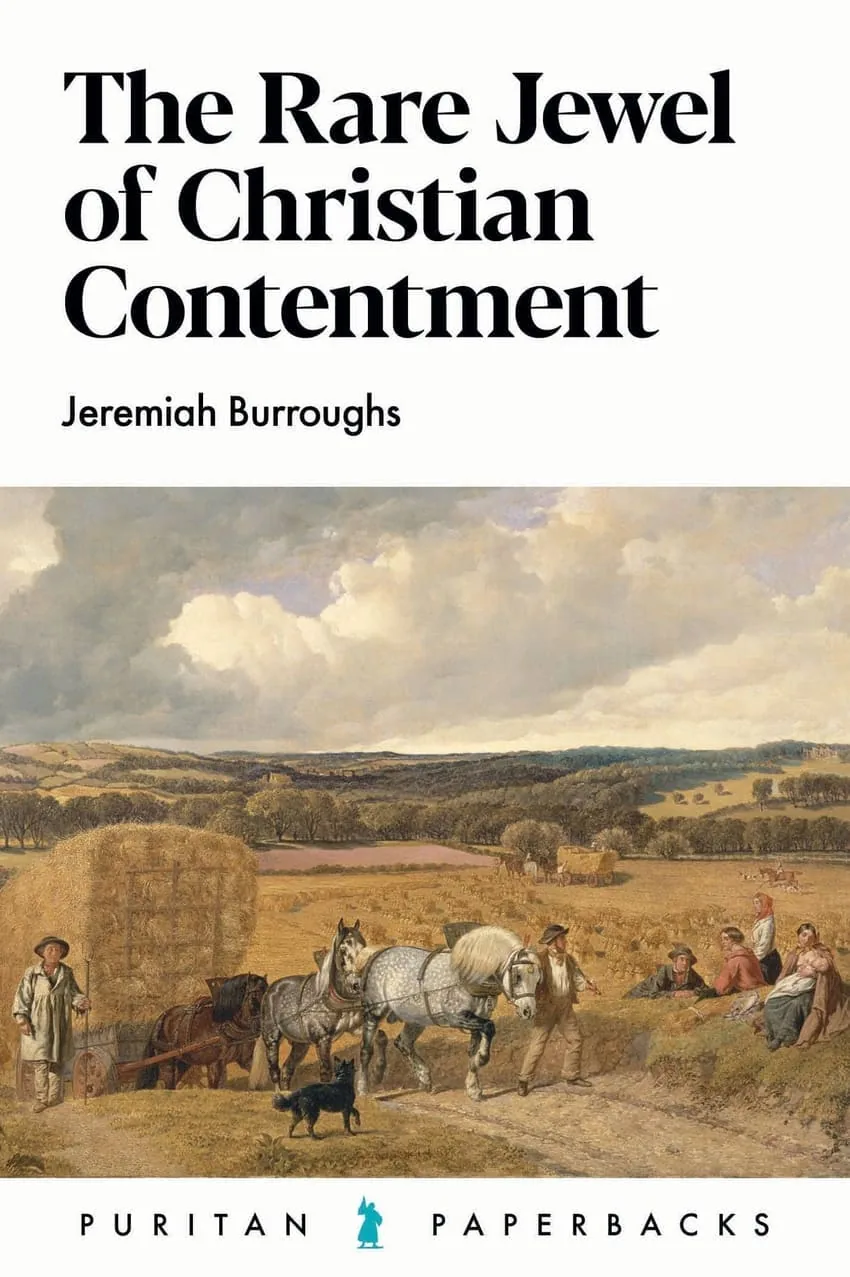
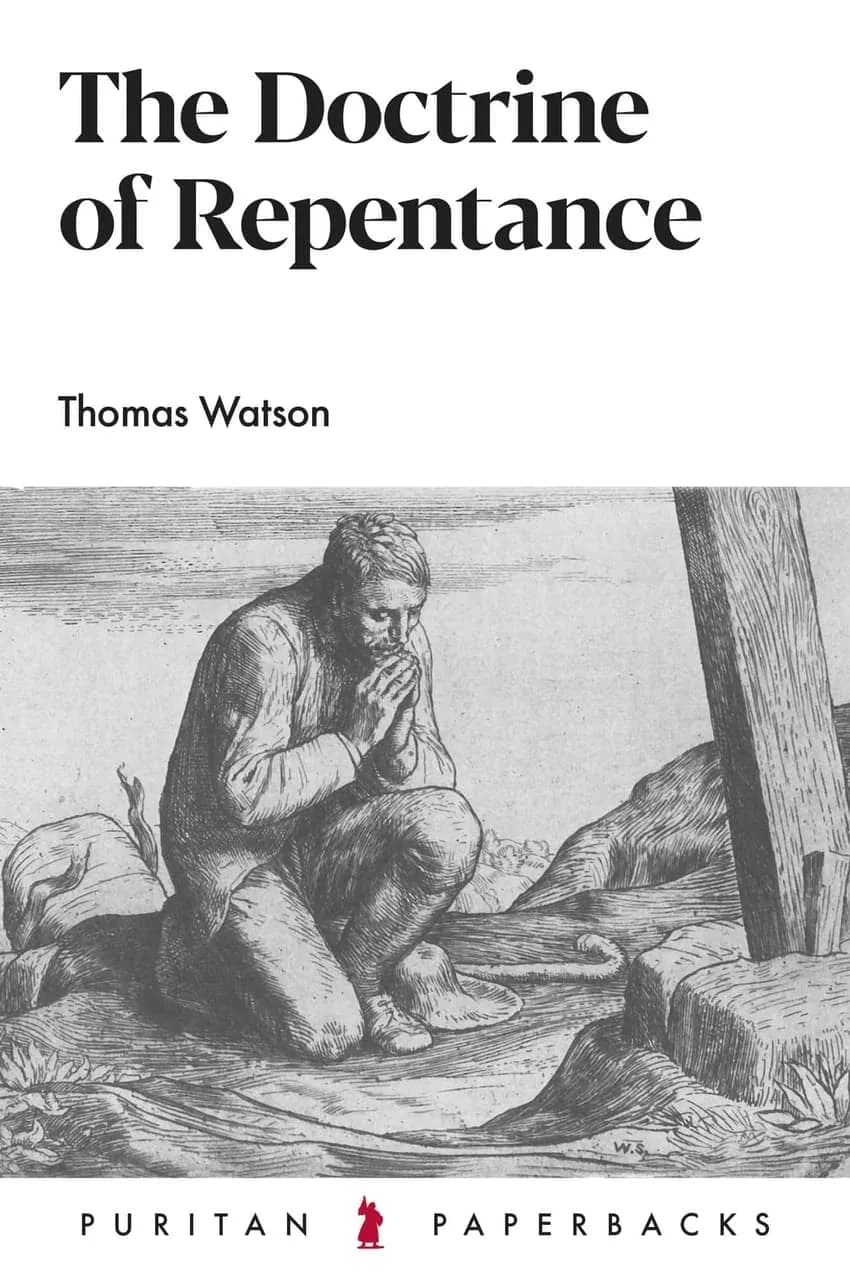
Where to start
Start with The Bruised Reedby Richard Sibbes. It is short, it is warm, and it is about Christ's patience with people who are not doing well, which is the subject most likely to make a reader want a second Puritan book.
Do not start with Owen. The Mortification of Sin is probably the most important book the Trust publishes, and it is the wrong first one. Read two or three of the warmer writers, get used to seventeenth-century sentence construction, and then go to Owen, who will be worth considerably more to you by then.
For a fuller plan, the best Puritan books for beginners sets out twelve titles in reading order, and how to read the Puritans deals with the practical difficulty of the prose.
Frequently asked questions
What is the Banner of Truth Trust?
The Banner of Truth Trust is a non-profit evangelical and Reformed publishing house, constituted as a charitable trust and registered in the United Kingdom as charity number 235652. It publishes Puritan and Reformed literature at every scale: the Puritan Paperbacks and Pocket Puritans, unabridged collected works including the sixteen-volume Works of John Owen and the six-volume Works of John Flavel, the Geneva Series of Commentaries, the Let's Study series, and contemporary titles in the same tradition. It also publishes a magazine and runs conferences in the UK, the United States and Australia.
Who founded Banner of Truth?
It was founded in London in 1957 by Iain Murray, Sidney Norton and Jack Cullum. The magazine came first: The Banner of Truth first appeared in September 1955 and the publishing house grew out of it. The magazine is still published eleven times a year.
Is Banner of Truth Reformed?
Yes, explicitly and without hedging. The Trust is evangelical and Reformed by constitution, and it is closely associated with the twentieth century revival of interest in evangelical Calvinism in England. It also did a great deal to bring Jonathan Edwards back into print and into general reading.
What are Puritan Paperbacks?
Puritan Paperbacks are the Trust's series of small, affordable editions of Puritan classics. Spelling is modernised and the text is sometimes lightly abridged, so a work that was originally a forbidding folio becomes a book of roughly 120 to 300 pages. There are 64 titles in the series covered on this site, plus 16 of the shorter Pocket Puritans. They are one series among several, and an abridged paperback is not the whole work: for the full text, the Trust also publishes unabridged collected works.
Where is Banner of Truth based?
The head office is in Edinburgh, Scotland. There is a branch office and distribution point in Carlisle, Pennsylvania, which is how most North American readers buy from them.
Which Banner of Truth book should I read first?
The Bruised Reed by Richard Sibbes. It is short, warm and entirely about Christ's gentleness toward weak believers, which makes it the least intimidating way in. If you would rather start with doctrine, The Doctrine of Repentance by Thomas Watson is the most readable serious option.
Explore the catalogue
Browse all 64 Puritan Paperbacks, read by author, or find out who the Puritans were.