
A buyer's guide
The Best Study Bible
Choosing a study Bible is a slower decision than it looks. This is the book that sits on the desk for a decade, gets opened at six in the morning, and eventually gets handed to someone else. Whatever is printed in those margins will shape the way you read Scripture, whether or not you set out to let it.
Which makes it a more personal choice than most buying guides allow for. Two questions settle it, and neither is the one people lead with. Which translation will you genuinely read, as opposed to the one you feel you ought to own. And what is it for: morning reading, a Sunday school class, sermon preparation, or working carefully through a doctrine.
Then the question almost nobody asks out loud. Study notes are commentary. Someone wrote them, out of a tradition, holding positions. Two study Bibles can print an identical text of Romans 9 and teach opposite things underneath it, and the buying guides rarely mention this at all. That is where this page starts, and it is why the best study Bible for you may not be the one that tops every other list.
Every study Bible has a theology
Three frameworks account for most of the difference between them. Covenantal readings treat the covenants as one unfolding promise, which binds Israel and the church closely together. Dispensational readings divide redemptive history into distinct administrations and keep the two distinct, which changes the prophets, the Sermon on the Mount and Revelation. Broadly evangelical notes usually decline to settle it.
Which is why the most common recommendation on the web is wrong. The MacArthur Study Bible is routinely listed as the Reformed pick, including by Google's own AI summary for this search. MacArthur holds Calvinistic soteriology, so the label is half earned, but he reads the covenants dispensationally. A reader who buys it expecting confessionally Reformed notes has bought a different book than the one they wanted. That is not a criticism of the volume. It is a criticism of the label.
If you want to go further into how interpretation works, the best books on hermeneutics and on the doctrine of Scripture are a better investment than a second study Bible.
The first English study Bible was the Geneva Bible
The format is not modern. In 1560, English Protestants who had fled to Geneva under Mary produced a translation carrying something no English Bible had before: running marginal notes explaining the text, plus verse numbers, maps, and readable roman type instead of blackletter. Every volume on this page inherited that.
It became the Bible of the English Reformation and then of the Puritans, the one Shakespeare quoted and the one the Pilgrims carried to Plymouth. It also caused trouble. Those margins applied the text to tyranny and to the authority of kings, James I objected in plain terms, and that is a large part of why he authorised a new translation in 1604 with no marginal commentary at all.
Sproul edited the Reformation Study Bible to carry the Geneva Bible's purpose into modern English, and Ligonier says so openly. Read those 1560 margins once and the category makes more sense. A study Bible was never meant to be neutral.
Best study Bible comparison
Read the slant column first. It decides whether you will still be happy with the book in five years, and it is the column most comparisons leave out entirely.
| Study Bible | Translation | Theological slant | Framework | Price |
|---|---|---|---|---|
| ESV Study Bible2008 | ESV | Broadly Reformed evangelical | Neither strictly; mildly covenantal | $30 to $40 |
| Reformation Study Bible2015 edition | ESV | Confessionally Reformed, Presbyterian | Covenantal | $40 to $50 hardcover |
| Reformation Heritage KJV Study Bible2014 | KJV | Experiential Reformed, Puritan and Dutch Reformed | Covenantal | $30 to $35 |
| MacArthur Study Bible1997, revised 2019 | NKJV (also ESV, NASB, NIV) | Calvinistic soteriology, dispensational hermeneutic, cessationist | Dispensational | $42 to $48 |
| NIV Biblical Theology Study Bible2018 | NIV | Broadly evangelical | Redemptive-historical | $25 to $35 |
| ESV Systematic Theology Study Bible2017 | ESV | Reformed | Covenantal, doctrine-organised | $40 to $52 |
| CSB Spurgeon Study Bible2017 | CSB | Reformed Baptist, devotional | Devotional rather than systematic | $29 to $40 |
| The Geneva Bible (1560 facsimile)1560, facsimile edition | Geneva | Calvinist; the original Puritan study Bible | Covenantal | $32 to $40 |
| CSB Study Bible2017 | CSB | Broadly evangelical, Baptist-leaning | Neither | $27 to $40 |
| ESV Literary Study Bible2007 | ESV | Reformed | Literary rather than doctrinal | $38 to $45 |
Prices are bands, because they move. Identical notes ship in hardcover, imitation leather, genuine leather and goatskin, and the price can quadruple across that range for the same content, so the hardcover is usually the sensible buy.
The ten best study Bibles
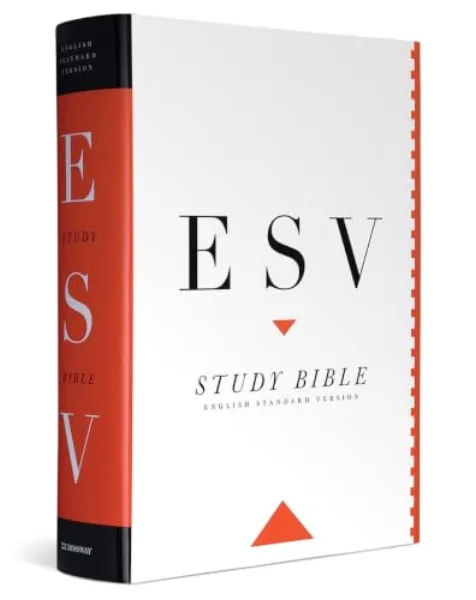
ESV Study Bible
ESV · Wayne Grudem, general editor · 2008
The default, and deservedly. Around ninety contributors, notes that are scholarly without being technical, and a back section of essays on doctrine, ethics and interpretation that would be worth buying as a separate book. If you want one volume and no further thought, stop here. What you are getting, though, is a consensus document. The contributors span the Reformed and wider evangelical world, so where those traditions disagree the notes tend to lay out the options rather than settle them. That is a strength if you want to see the field and a frustration if you wanted an answer.
Wrong for Anyone who wants a confessional standard applied consistently rather than a range of views presented fairly.


Reformation Study Bible
ESV · R.C. Sproul, general editor · 2015 edition
Where the ESV Study Bible presents positions, this one holds them. Sproul built it to carry the Geneva Bible's purpose into modern English, and the creeds, confessions and catechisms bound into the back matter are the proof: it expects you to read Scripture with the church's confession open beside it. That makes it the best confessionally Reformed study Bible in print and the obvious buy if the Westminster Standards are your own.
Wrong for Readers who want a neutral survey of interpretive options. It argues, and it means to.
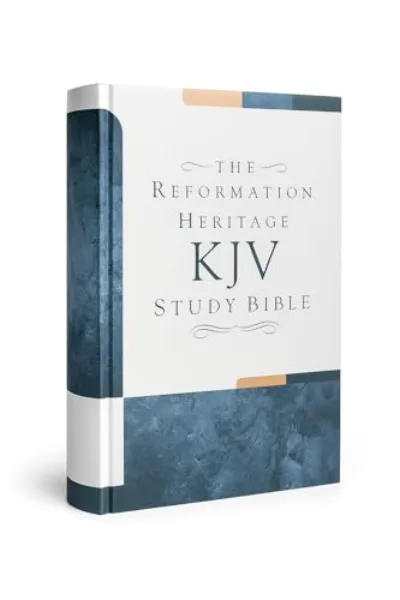
Reformation Heritage KJV Study Bible
KJV · Joel R. Beeke, general editor · 2014
The only volume here that is not primarily trying to inform you. Beeke pairs the study notes with directions for personal and family worship on every chapter, which no other study Bible attempts, and it changes what the book is for. Readers of this site will get more out of it than anything else on the list, because it treats the text the way the Puritans did: as something to be pressed on the conscience rather than explained. The obstacle is the translation. It is committed to the KJV, so early modern English sits on top of whatever difficulty the passage already carries.
Wrong for Anyone who finds the KJV hard going. That difficulty compounds rather than fades.
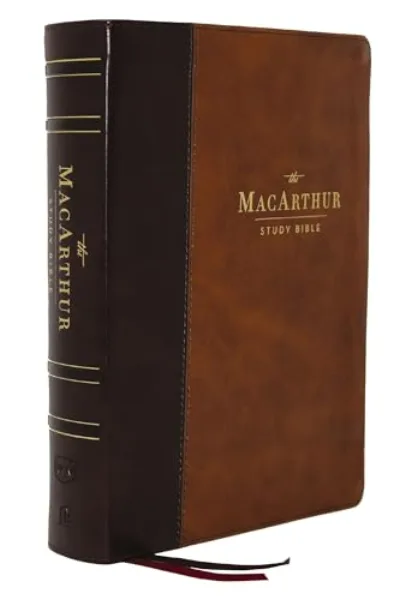
MacArthur Study Bible
NKJV (also ESV, NASB, NIV) · John MacArthur · 1997, revised 2019
Careful, pastorally serious, and the most consistently mislabelled study Bible in print. One man wrote the notes, which makes them unusually coherent, and they are strongest on the New Testament epistles. The problem is the recommendation that follows it everywhere: that this is the Reformed choice. MacArthur holds Calvinistic soteriology, so the label is half earned, but he reads the covenants dispensationally. That is not a footnote. It reshapes Genesis, the prophets, the Sermon on the Mount and Revelation, and it keeps Israel and the church distinct in a way no confessionally Reformed volume does. Buy it knowing that, and it is a good book. Buy it expecting Reformed notes and you have bought something else.
Wrong for Readers who want Reformed notes. Buy the Reformation Study Bible instead, and know why.
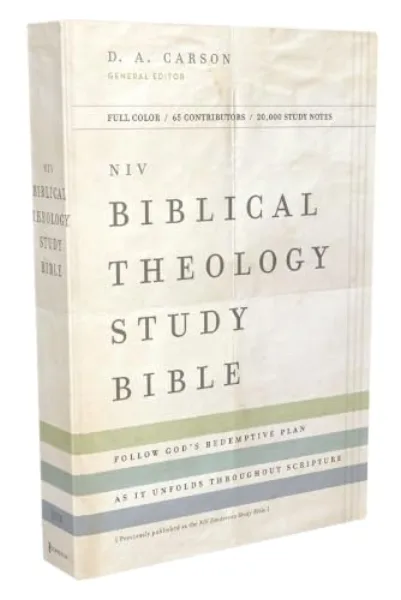
NIV Biblical Theology Study Bible
NIV · D.A. Carson, general editor · 2018
The most genuinely educational volume on the list. It is built to show how a theme develops from Genesis to Revelation rather than to gloss verses one at a time, which teaches the skill most readers are missing and most study Bibles quietly skip. The best second study Bible for anyone who already owns a reference volume.
Wrong for Readers committed to the ESV or KJV, and anyone wanting confessional rather than evangelical notes.
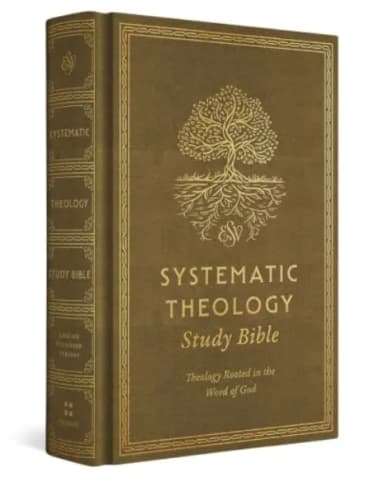
ESV Systematic Theology Study Bible
ESV · Michael Horton, theological editor · 2017
A specialist tool, openly Reformed, that connects passages to the doctrinal loci and adds essays on each. If you are working through a systematic theology, this is the Bible to keep open beside it.
Wrong for A first study Bible. It assumes you already think in doctrinal categories.
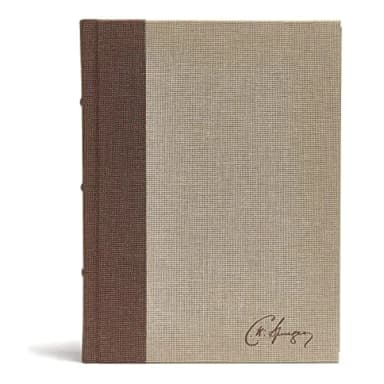
CSB Spurgeon Study Bible
CSB · Notes drawn from Charles Spurgeon · 2017
Not really a study Bible and better for it. The notes are extracts from Spurgeon's sermons, so instead of analysis you get a preacher pressing the verse on you. Excellent as a devotional companion, thin as a reference, and best owned alongside one of the volumes above rather than instead of one.
Wrong for Exegetical work. It does not attempt the historical or structural notes that job needs.
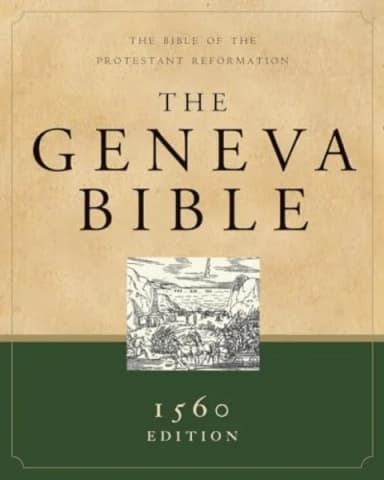
The Geneva Bible (1560 facsimile)
Geneva · William Whittingham and the Marian exiles · 1560, facsimile edition
Included for a reason no other list bothers with: every volume above descends from this one. Buy it as a historical text, not a working Bible, and read the margins once to see what a study Bible was originally for.
Wrong for Daily reading. The typography, spelling and translation are all four and a half centuries old.
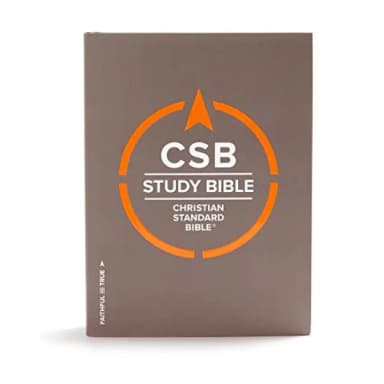
CSB Study Bible
CSB · Holman Bible Publishers · 2017
The readable, unexciting option, and the right one if the ESV feels stiff or the whole idea feels intimidating. Clear notes pitched at the churchgoer rather than the student.
Wrong for Anyone wanting scholarly weight or a confessional position. Both are available above.
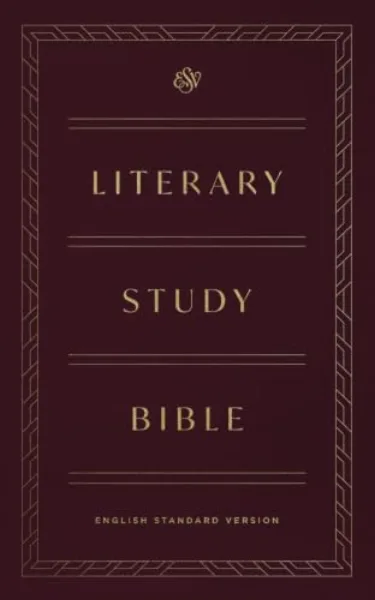
ESV Literary Study Bible
ESV · Leland Ryken and Philip Graham Ryken · 2007
Almost no notes. Instead, short introductions framing each passage as narrative, poetry, prophecy or letter. If the Bible feels like a bewildering library rather than a book, knowing what kind of writing is in front of you resolves more confusion than another twenty thousand notes will.
Wrong for Anyone who needs doctrinal or historical help. That is not what this offers.
A study Bible is not a commentary
Even the densest notes here run a sentence or two per verse. That is enough to unstick you and nowhere near enough when you actually need to understand a passage. When you reach that point the answer is a commentary, not a bigger Bible, and the reading guide is a better place to start than another purchase in this category.
One other thing the buying guides never mention: the notes can become a crutch. They sit right there, and reading them is easier than staying with a hard verse. Read the text first, form a view, then look down. The notes are most valuable when they correct you, and they cannot correct you if you have not thought anything yet.
Frequently asked questions
What is the #1 study Bible?
The best study Bible for most readers is the ESV Study Bible, if you only get one and have no other requirements. There is no single best one, though, because the notes in every edition come out of a tradition. A confessionally Reformed reader is better served by the Reformation Study Bible, which is the best Reformed study Bible in print.
Which study Bible is better, the ESV or the MacArthur Study Bible?
They differ in more than translation. The ESV Study Bible is a consensus document from around ninety broadly Reformed evangelical contributors. MacArthur wrote his alone, which makes them more consistent, but he reads the covenants dispensationally, and that changes his treatment of Israel and the church, the law and prophecy.
What study Bible do pastors use?
Reformed pastors typically keep the ESV Study Bible for general reference and the Reformation Study Bible for confessional work, and treat both as a starting point rather than a substitute for commentaries.
How do you pick a good study Bible?
Three questions, in this order. Which translation will you actually read. Whose theology do you want in the margins. What is it for: morning reading, teaching, preaching, or doctrinal study. Binding and price come after those.
Should a beginner get a study Bible?
Yes, with one caution: the notes are not Scripture. They are one tradition's commentary printed in smaller type on the same page, which makes them unusually easy to absorb as though they carried the same authority.
Which study Bible does R.C. Sproul recommend?
He was general editor of the Reformation Study Bible, first published in 1998 and substantially revised in 2015. He built it to carry the purpose of the 1560 Geneva Bible into modern English, which is why the creeds and confessions are bound into the back matter.
Once you have the Bible, read alongside it
Work through the best theology books by topic, start with the best Puritan books for beginners, or learn how to read the Puritans.