
A reader's guide
The Best Christian Books
Almost nobody asking this question is starting from nothing. Most people asking it own four or five Christian books already, abandoned at least one of them around page thirty, and suspect that the books that would actually help are somewhere they have not looked.
Two things decide whether a recommendation is any use, and almost no list on this subject tells you either. The first is difficulty. A great book handed to someone at the wrong moment does nothing at all, and the usual reason people give up on Christian classics is not the ideas, it is starting with the hardest one. The second is era. Lists with this title are mostly lists of recent releases, and they hand the first eighteen hundred years of Christian writing a single decorative slot, filled nearly every time by the same book. That leaves out the richest stretch of Christian writing in English, roughly 1560 to 1700.
So every title below carries the year it was written, a rating for how much effort it asks, and a plain note on who it is wrong for. Twenty-six in all, the oldest from 1559, judged from the Reformed tradition, with a later section that goes back to the fourth century. If you want the short version first: the three to read before any of the others are The Pilgrim's Progress (John Bunyan, 1678), Knowing God (J. I. Packer, 1973) and The Bruised Reed (Richard Sibbes, 1630). The next section says why those three.
Start here: three books
These are not the three greatest books ever written about the Christian faith. They are the three that between them cover what a reader needs early on: a picture of the whole Christian life, a reliable account of who God is, and something warm enough to keep you reading. The top ten and the top twenty are further down the page.
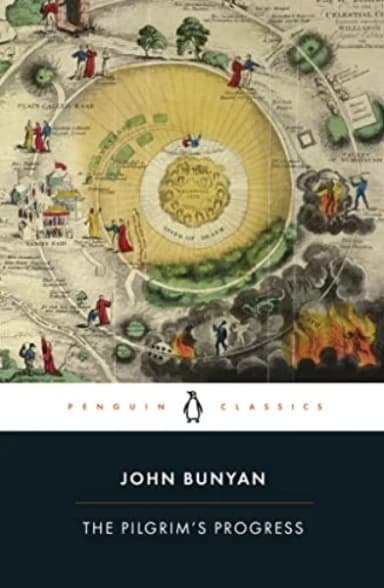
The Pilgrim's Progress, John Bunyan, 1678
An allegory rather than an argument, which is part of why it has outsold every other book written in English except the Bible. Bunyan began it in jail. Buy an unabridged edition, because the retellings cut the theology out of the dialogue and leave an adventure story. Wrong for you if you want propositions rather than narrative.

Knowing God, J. I. Packer, 1973
Twenty-two chapters on the attributes of God, each one ending somewhere devotional rather than academic. The chapter on adoption is the one readers still quote thirty years later. It is teaching rather than comfort reading, and it repays a chapter a week.
The Bruised Reed, Richard Sibbes, 1630
160 pages on Matthew 12:20, preached to people convinced God had finished with them. The oldest book most readers finish in a weekend, and the proof that a seventeenth-century Puritan can be warmer than most of what was published last year. Read it in the Puritan Paperback edition.
The twenty-six best Christian books
Grouped by what each book is for rather than ranked one to twenty-six, because the right book depends on what you are carrying at the time. Every title is rated for effort, and the three ratings mean this.
| Rating | What it asks of you |
|---|---|
| Gentle | Readable on a tired evening, with no notes. |
| Moderate | It argues, and expects you to follow the argument. A few weeks of evenings. |
| Demanding | A pen, a notebook and several months. Worth every bit of it. |
Where the Christian life begins
John Bunyan, 1678
An allegory, not an argument. Buy it unabridged: the modern retellings trim the doctrine out of Christian's conversations with Hopeful, which is most of the point.
J. I. Packer, 1973
Twenty-two chapters on the character of God, grown out of articles Packer wrote for the Evangelical Magazine in the early 1960s. Slower than its length suggests, because every chapter ends in application.
C. S. Lewis, 1952
Three sets of BBC radio talks broadcast between 1941 and 1944. Lewis is not Reformed and is thin on substitution, so this is not where to learn the atonement. It remains the best book in English for getting a hearing from someone who is not listening yet.
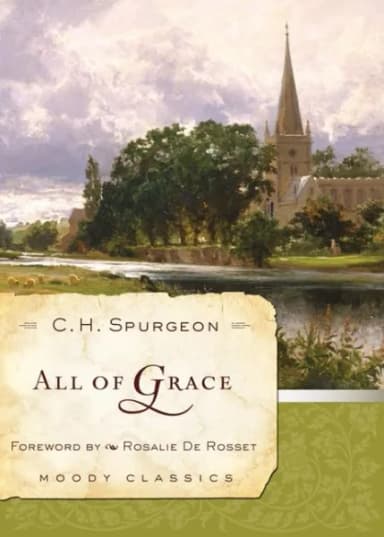
C. H. Spurgeon, 1886
About a hundred pages in the Moody Classics edition, written for people who cannot believe the gospel could apply to them. Spurgeon aimed it squarely at the unconverted, which is why it argues rather than assumes.
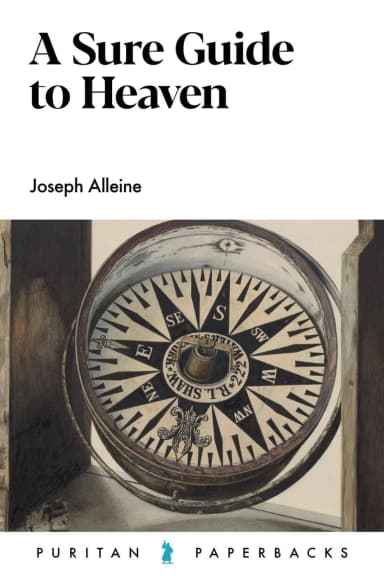
Joseph Alleine, 1671 · reviewed on this site
148 pages, published after Alleine died at thirty-four, his health broken by imprisonment under the Act of Uniformity. It asks whether you are actually converted and then refuses to drop the question. Wrong for you if you are already fragile about assurance.
Richard Sibbes, 1630 · reviewed on this site
160 pages in the Banner of Truth edition, and the gentlest book on this page with a weak conscience.
Books about God himself
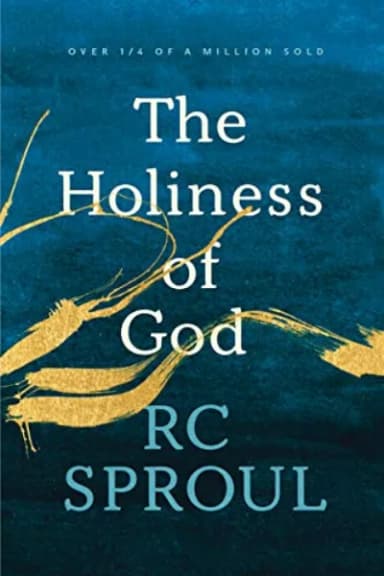
R. C. Sproul, 1985
Built out of Isaiah 6, and the chapter everyone remembers is the one on the deaths of Nadab and Abihu. The shortest honest route into the doctrine of God for a reader who has never thought about it.
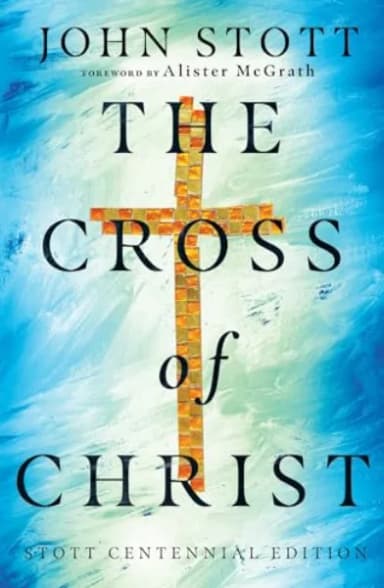
John Stott, 1986
Around 380 pages, and still the standard evangelical treatment of substitution. Roughly a third of it is about what the cross does to the Christian rather than what it accomplished, which is the part most books leave out.
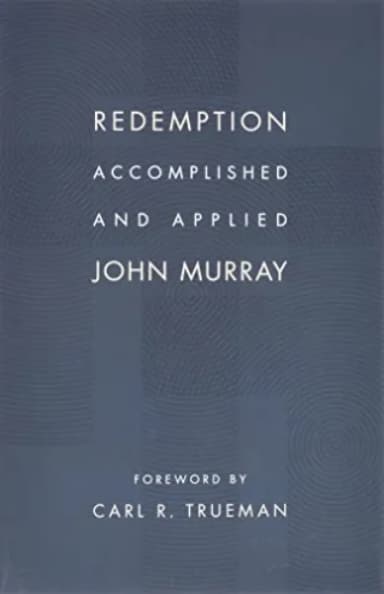
John Murray, 1955
About 240 pages, split cleanly in two: what Christ achieved, then how it is applied. The shortest reliable way to understand the order of salvation without committing to a systematics volume.
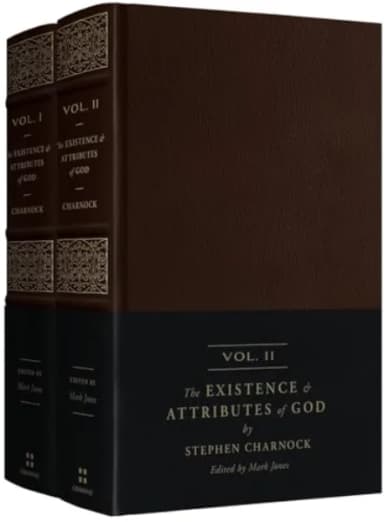
Stephen Charnock, 1682
Charnock died before finishing it, and Crossway's 2022 updated set still runs to roughly 1,300 pages across two volumes. Read one discourse at a time. A bad first theology book and an excellent fifth one.
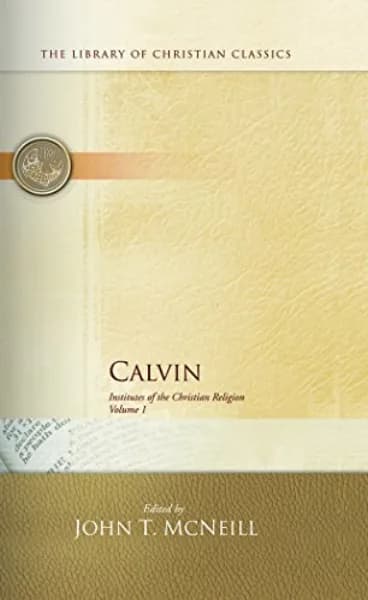
John Calvin, 1559
The final Latin edition, four books, about 1,700 pages in the McNeill and Battles translation. Start at Book Three, on the Christian life and on prayer, rather than at Book One. Calvin is a far warmer writer than his reputation allows.
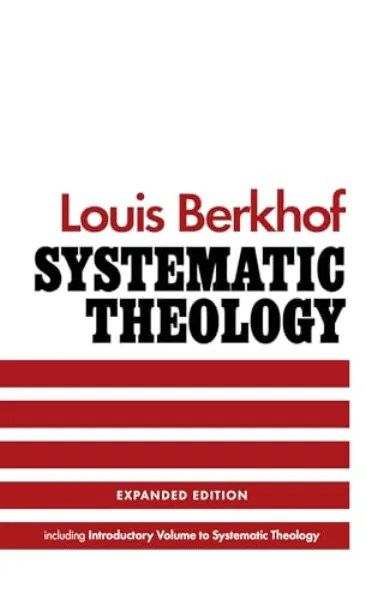
Louis Berkhof, 1932
Around 780 pages, built as a reference work rather than a narrative, which makes it easier to consult than to read straight through. Still the standard one-volume Reformed systematics after ninety years.
Sin, holiness and assurance
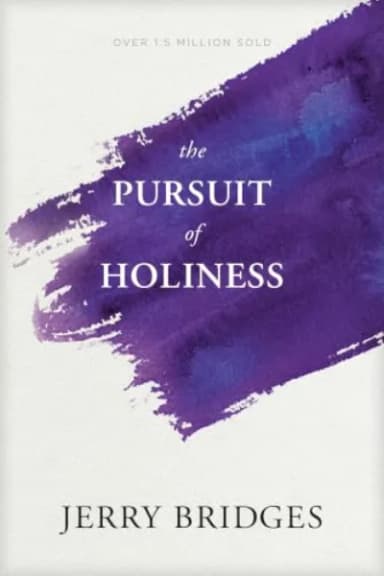
Jerry Bridges, 1978
About 160 pages. Bridges holds two things together that most books drop one of: God does the sanctifying, and you are still responsible for the effort. He never resolves the tension by softening either side.
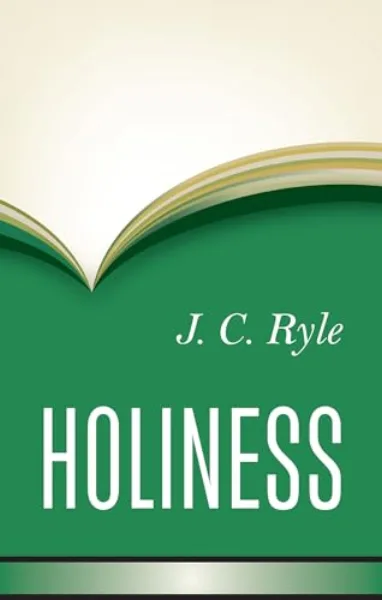
J. C. Ryle, 1877
Ryle wrote it against the Keswick teaching that sanctification arrives in one act of surrender. Around 400 pages of deliberately plain English. If you read only one chapter, read the first, on sin, which is the foundation for the other twenty.
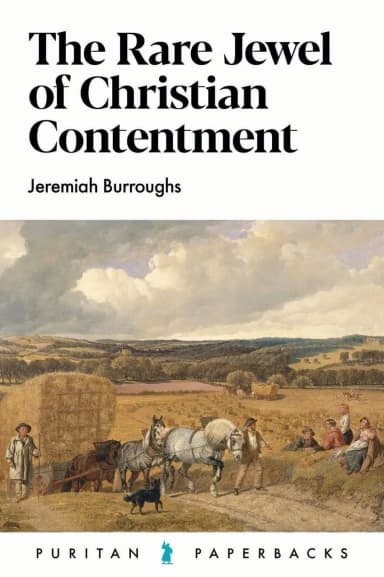
Jeremiah Burroughs, 1648 · reviewed on this site
Sermons on Philippians 4:11, published after Burroughs died following a fall from his horse. No other book treats ordinary discontent as seriously, or as specifically, as sin.
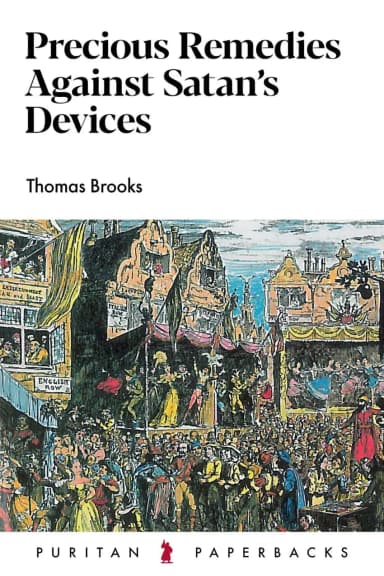
Thomas Brooks, 1652 · reviewed on this site
Brooks names each device, then names the remedy, in a structure plain enough to use as a checklist. Published while he was preaching in London, and the most immediately practical book on this page.
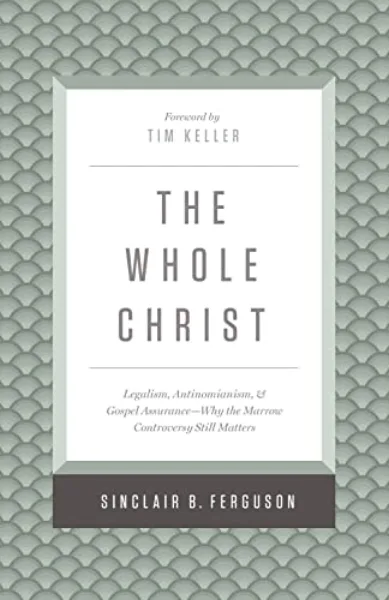
Sinclair Ferguson, 2016
Built on the Marrow Controversy, an eighteenth-century dispute in the Church of Scotland that almost nobody has heard of, and which turns out to explain most current arguments about legalism and licence.
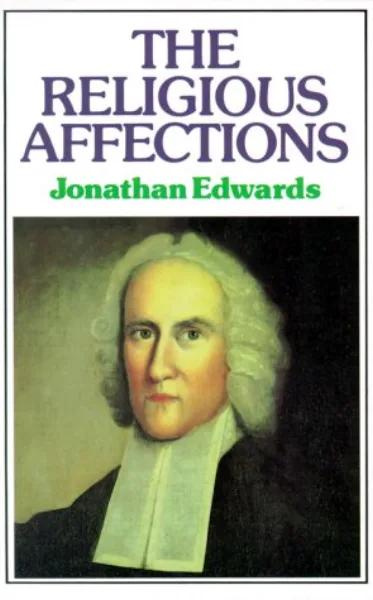
Jonathan Edwards, 1746
Edwards sets out twelve signs that prove nothing about a person's spiritual state, then twelve that do. Written after the Great Awakening by the man who had watched it at close range and come away suspicious of parts of it.
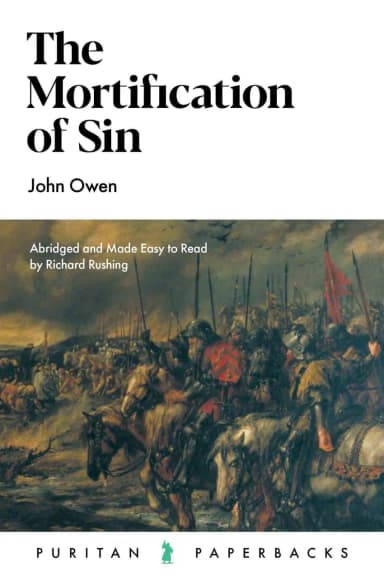
John Owen, 1656 · reviewed on this site
Preached to Oxford undergraduates while Owen was vice-chancellor of the university. 136 pages in the Banner edition, and the hardest 136 pages here. Worth reading once you have a specific sin in view, not before.
Prayer, suffering and lives lived
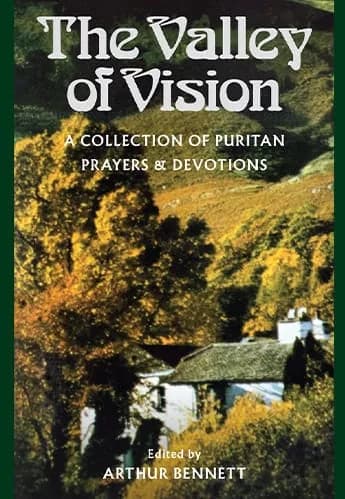
Arthur Bennett, editor, 1975 · reviewed on this site
Puritan prayers gathered from sermons, letters and diaries and set out as verse. Around 200 of them. The one book here meant to be kept open rather than finished, and the standard gift for someone whose prayers have gone flat.
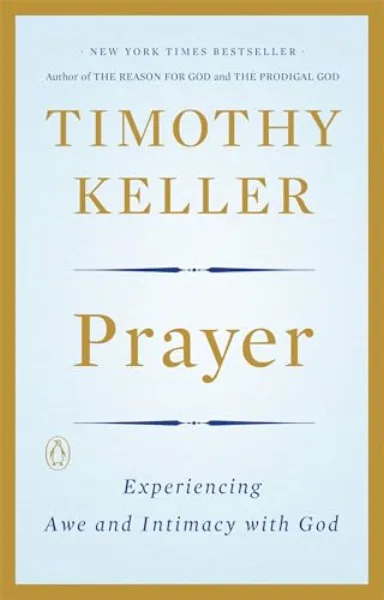
Timothy Keller, 2014
About 320 pages. The middle section is effectively Keller reading Augustine, Luther, Calvin and Owen on prayer and reporting back, which makes it the best on-ramp to those four on this subject.
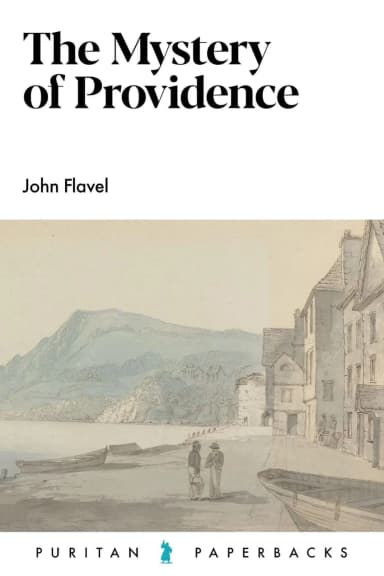
John Flavel, 1678 · reviewed on this site
Flavel on Psalm 57:2, teaching the discipline of reading God's hand backwards through your own history. He buried three wives and a son, and the book never once sounds theoretical.
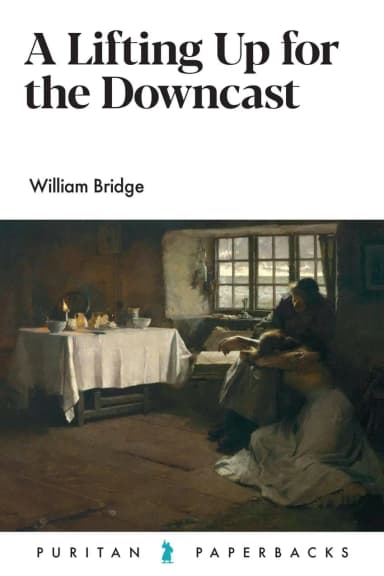
William Bridge, 1648 · reviewed on this site
Thirteen sermons, 384 pages, each on a different reason a Christian might be cast down: great sins, weak faith, want of assurance, temptation. The nearest thing the seventeenth century has to a book on depression.
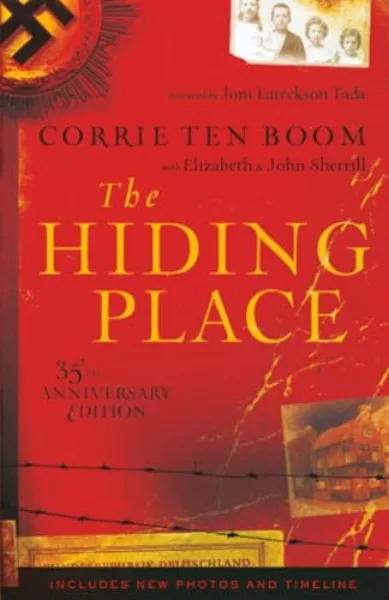
Corrie ten Boom, 1971
The ten Booms hid Jews in a false room above the family watchmaker's shop in Haarlem until they were betrayed in February 1944. Corrie came out of Ravensbruck alive. Her sister Betsie did not. Read it when providence has stopped making sense.
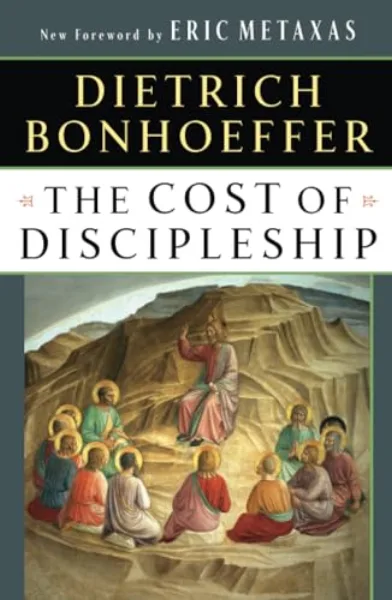
Dietrich Bonhoeffer, 1937
Written while Bonhoeffer was running an illegal seminary at Finkenwalde. He is not a Reformed confessionalist and his account of justification is contested, which is worth knowing going in. The pages on cheap grace have never been bettered.
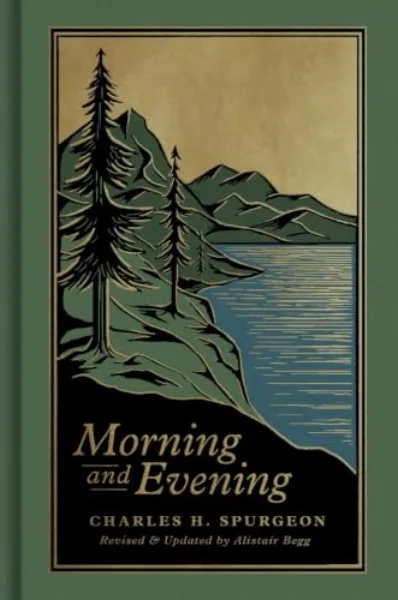
C. H. Spurgeon, 1865
732 readings, two a day, first published as Morning by Morning in 1865 and Evening by Evening in 1868. Buy the Crossway edition if Victorian English slows you down: it updates the vocabulary and quotes the ESV.
The best Christian books every other list skips
Open the pages currently ranking for this search and count the titles written before 1900. The best of them manages three out of thirty. Most manage one, and it is The Pilgrim's Progress. Several manage none.
The reason is not that the old books are worse. Nobody sends out review copies of something published in 1656, older books resist being summarised in a paragraph, and a list built from what people are currently talking about can only ever be a list of the last forty years.
This site exists because of that gap. It carries 64 Puritan Paperbacks, 16 Pocket Puritans and 37 other Reformed titles, 117 in all, with quotes pulled from the books themselves. What follows is what the pre-1900 writers look like treated as contenders rather than decoration.
Before the Reformation
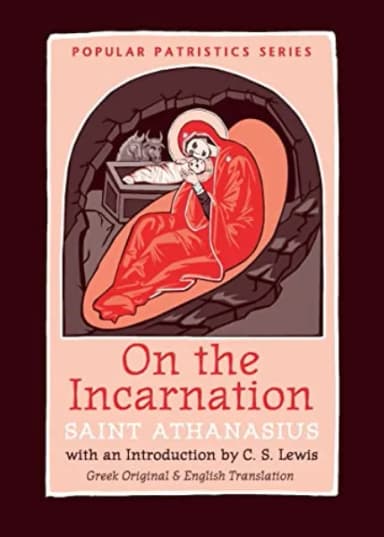
On the Incarnationby Athanasius, written in the early fourth century, is about fifty pages on why God had to become man. The St Vladimir's edition carries the introduction C. S. Lewis wrote for it in 1944, still the best short defence of reading old books at all.
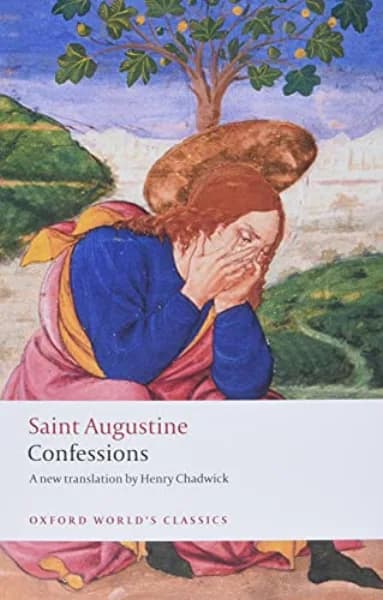
Confessionsby Augustine, finished around the year 400, runs to thirteen books, of which the nine everyone reads are the autobiographical ones. Henry Chadwick's Oxford World's Classics translation is the readable one. Read it first and Luther and Calvin make sense, because it is the book they are both arguing with.
The Reformers
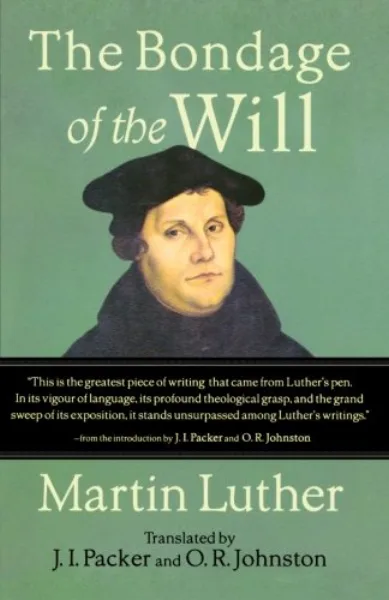
The Bondage of the Willis Luther's 1525 reply to Erasmus on free will, and late in life he named it one of only two of his own books worth keeping. Buy the Packer and Johnston translation.
Calvin's Institutes belongs here too, listed above with the rest of the twenty-six, and it is worth saying again that Book Three, not Book One, is where to start.
One caution about a title that appears on nearly every list of this kind. Thomas a Kempis' The Imitation of Christ, written around 1418, is worth knowing, but its picture of the Christian life is monastic and its near-silence on justification is not an accident. Read it with that in view, not as a devotional manual.
The Puritans, where nearly every list stops at Bunyan
Eight more, none of them in the twenty-six above, all of them in print in modern editions with updated spelling. Any one of these would be the oldest book on a competing list.
The Doctrine of Repentance
Thomas Watson
Watson, 1668. 128 pages, the most quotable Puritan on the subject modern books handle least well.
Communion with God
John Owen
Owen, 1657. Distinct fellowship with Father, Son and Spirit. Slower than Mortification, far more encouraging.
The Christian's Great Interest
William Guthrie
Guthrie, 1658. How to know whether you are actually a Christian. John Owen carried a copy in his pocket and said of it that he had written several folios, but there was more divinity in Guthrie’s little book than in all of them.
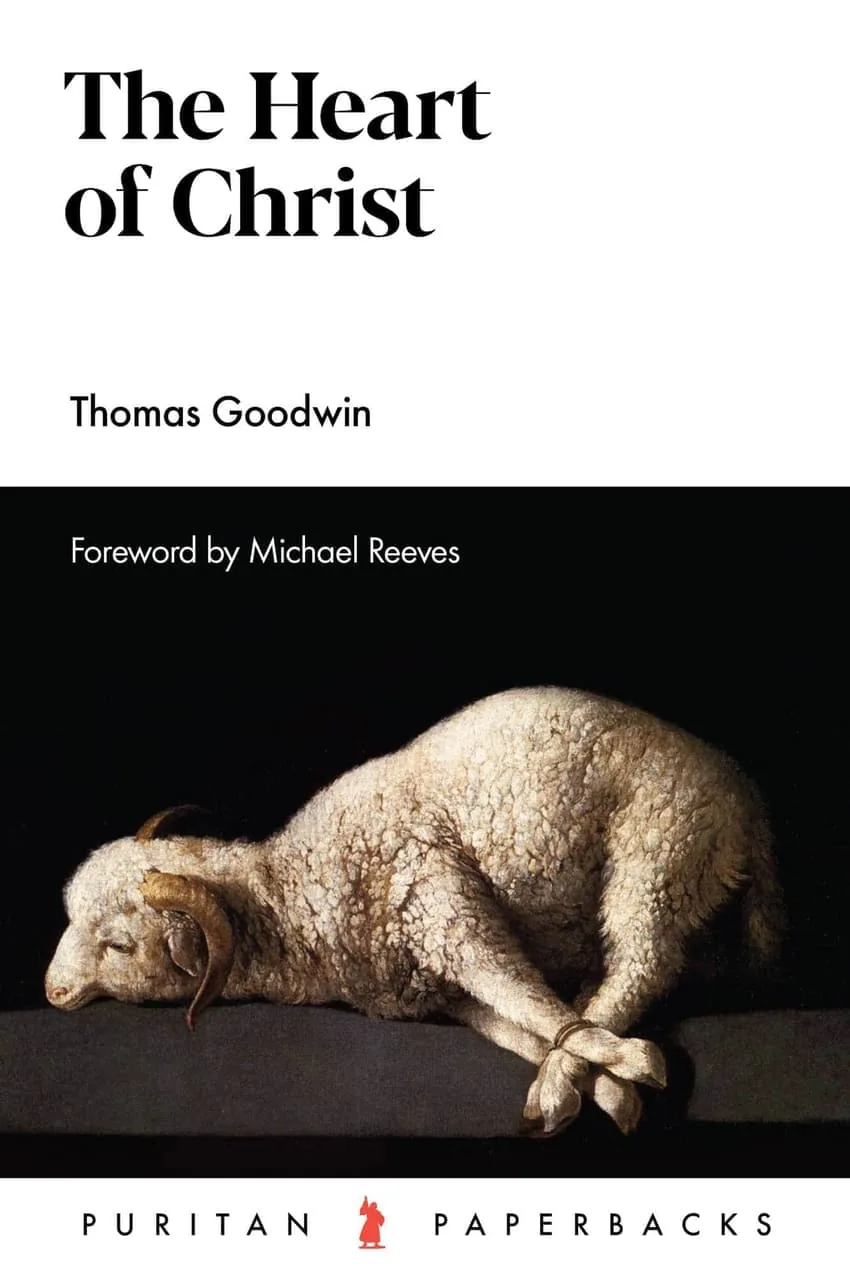
The Heart of Christ
Thomas Goodwin
Goodwin, 1651. What Christ feels toward his people now, in heaven. 136 pages, and the source of most modern writing on it.
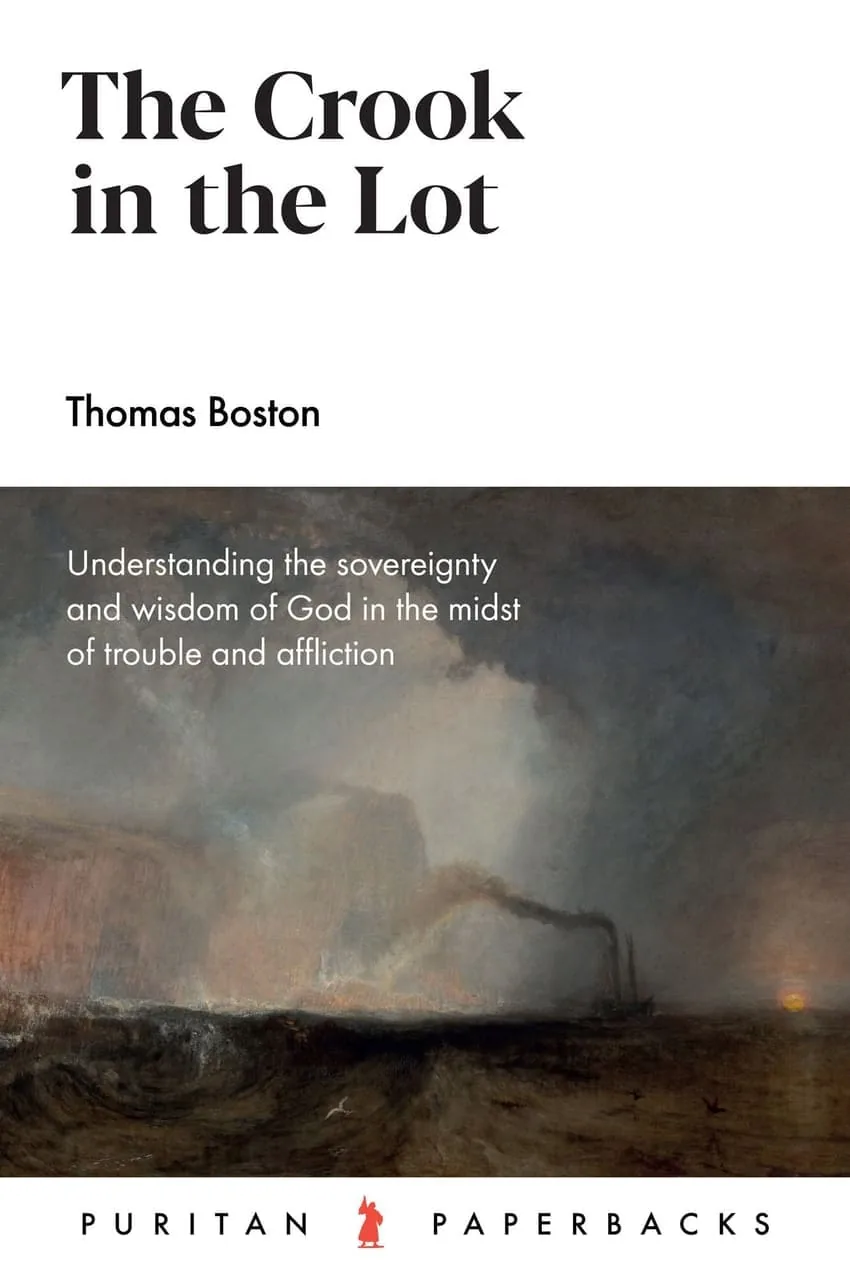
The Crook in the Lot
Thomas Boston
Boston, 1737. On the particular trouble God has fitted to your life and will not remove. Short, hard, freeing.
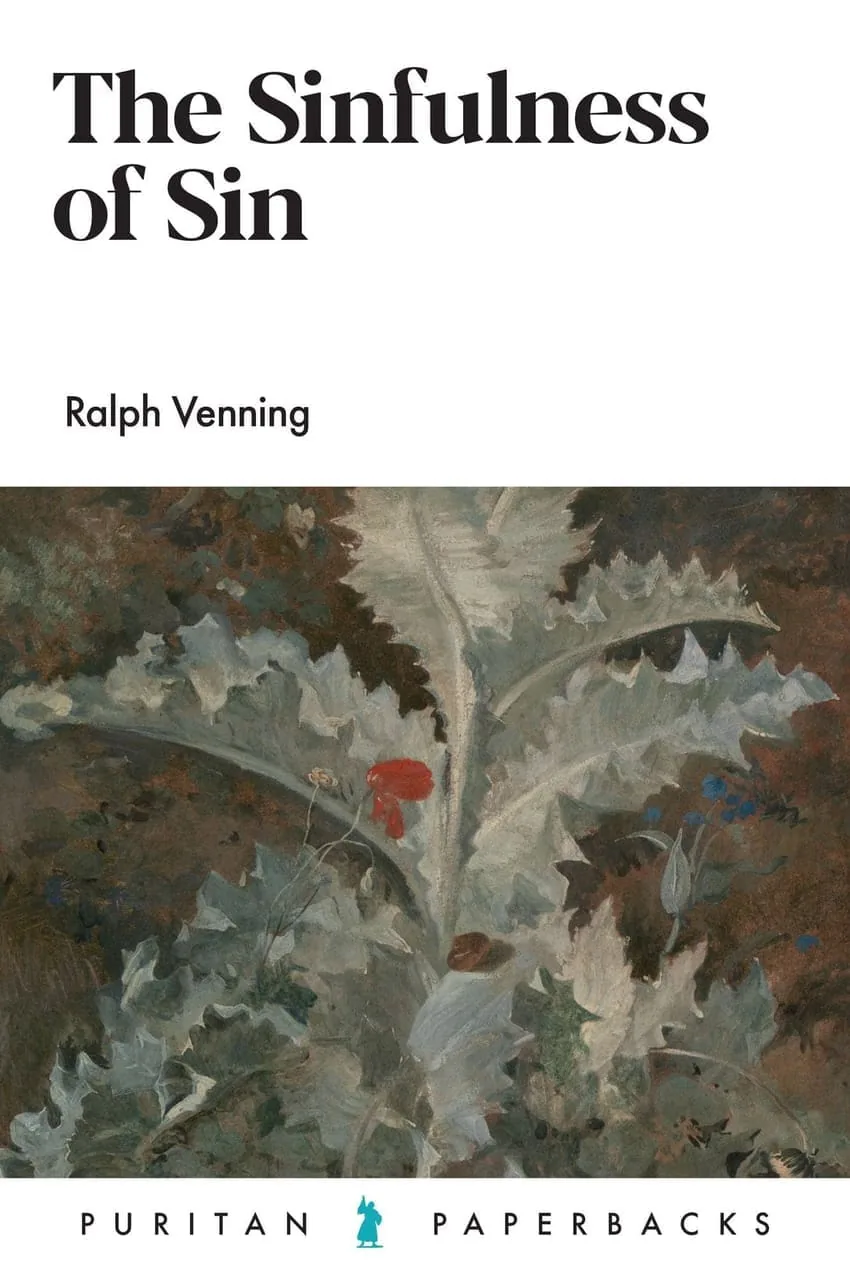
The Sinfulness of Sin
Ralph Venning
Venning, 1669. 352 pages on why sin is worse than you think. Read it before Owen, not after.
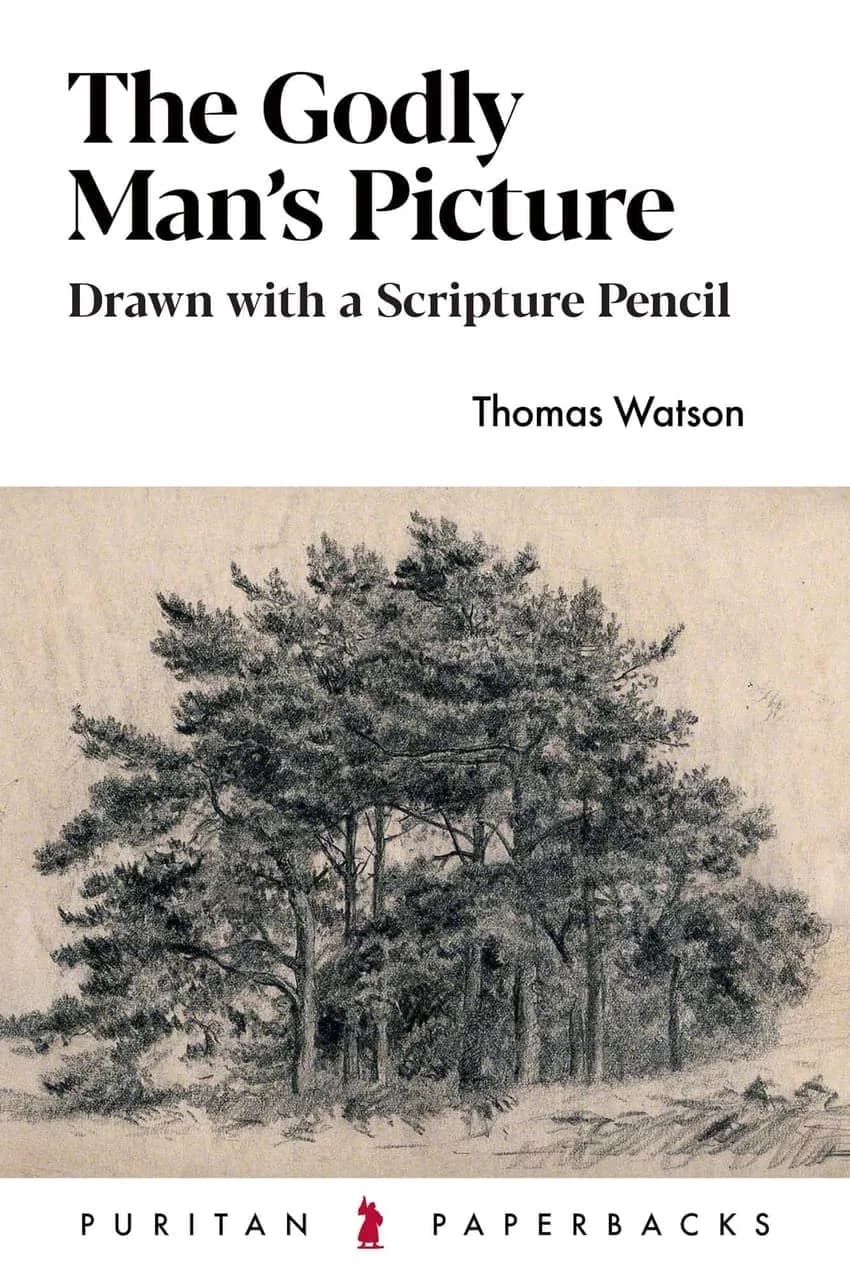
The Godly Man's Picture
Thomas Watson
Watson, 1666. Twenty-four marks of a godly person, drawn as a portrait. Uncomfortable by design.
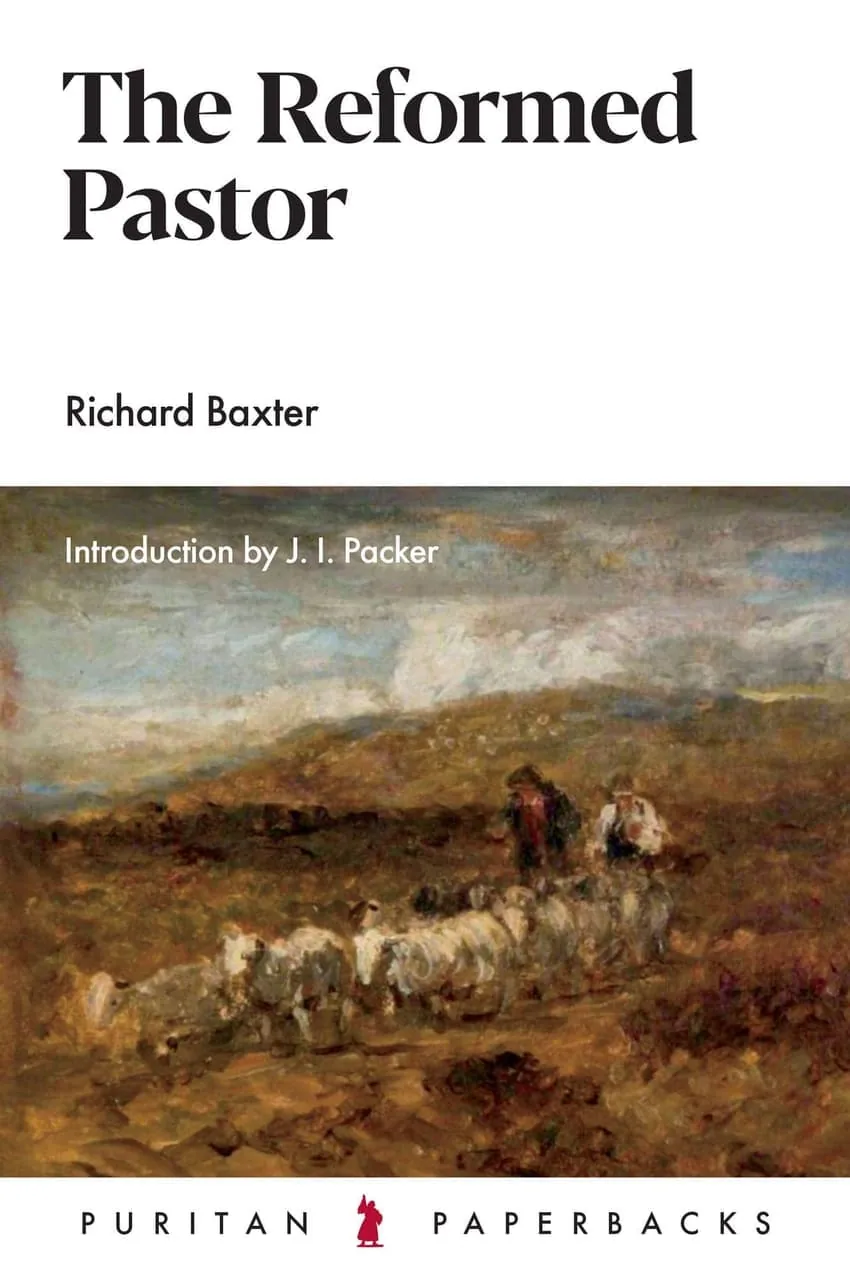
The Reformed Pastor
Richard Baxter
Baxter, 1656. For ministers, on personal house-to-house pastoral work. Still the book elders are handed first.
For the Puritans specifically, in a proper order and with the difficulty called out book by book, see the best Puritan books for beginners, and how to read the Puritans for the practical side of getting through seventeenth-century prose.
Find the right book by topic
Each row goes to a full reading guide for that subject, tiered from introductory to advanced, and to the quotes where there are any.
| Subject | Reading guide | Quotes |
|---|---|---|
| Systematic theology | Books on systematic theology | None yet |
| The atonement | Books on the atonement | Quotes |
| Sanctification and holiness | Books on sanctification and holiness | Quotes |
| Sin and mortification | Books on sin and mortification | Quotes |
| Assurance and salvation | Books on assurance and salvation | Quotes |
| Prayer | Books on prayer | Quotes |
| Suffering and providence | Books on suffering and providence | Quotes |
| Spiritual warfare | Books on spiritual warfare | Quotes |
| The person and work of Christ | Books on the person and work of christ | Quotes |
| Confessions and catechisms | Books on confessions and catechisms | None yet |
| Church history and biography | Books on church history and biography | None yet |
| The Puritans | Books on the puritans | Quotes |
The full set of thirty-six subject guides is at the Reformed reading guide, and every quote subject is listed at quotes by topic.
A reading order, easiest to hardest
Work up in this order and nothing on this page is out of reach.
Rung one
Nothing here will slow you down
The Bruised Reed, All of Grace and Mere Christianity. Short, warm, and written for readers who are not yet sure they belong in the conversation.
Rung two
Doctrine, gently
Knowing God, The Holiness of God and The Pursuit of Holiness. Real theology, in modern prose, with the arguments spelled out rather than assumed.
Rung three
Your first seventeenth-century books
The Doctrine of Repentance, The Rare Jewel of Christian Contentment, Precious Remedies Against Satan's Devices, and The Pilgrim's Progress unabridged. The older voice stops feeling foreign after about forty pages.
Rung four
Full-length theology
Ryle's Holiness, The Cross of Christ, Redemption Accomplished and Applied, and The Whole Christ. Longer, more closely argued, and each one assumes you already accept the basics.
Rung five
The deep end
The Mortification of Sin, Religious Affections, Book Three of the Institutes, and Charnock one discourse at a time. Nobody gets here in their first year, and nobody who gets here goes back.
A dated, week-by-week version of rungs three to five is set out in the Puritan reading plan.
Frequently asked questions
What are the top 10 Christian books?
Taking the whole history of Christian writing rather than recent releases: The Pilgrim's Progress by John Bunyan, Knowing God by J. I. Packer, The Bruised Reed by Richard Sibbes, Mere Christianity by C. S. Lewis, The Cross of Christ by John Stott, Holiness by J. C. Ryle, The Mortification of Sin by John Owen, The Rare Jewel of Christian Contentment by Jeremiah Burroughs, Institutes of the Christian Religion by John Calvin, and The Valley of Vision edited by Arthur Bennett.
What books should every Christian read?
The Bible first, and not in a distant second place. After that, one book that explains the gospel plainly, such as All of Grace by Spurgeon; one on the character of God, such as Knowing God by Packer; one on holiness, such as Ryle's Holiness or Bridges' The Pursuit of Holiness; one on suffering, such as Flavel's The Mystery of Providence; and one book of prayers, such as The Valley of Vision. Those five categories cover most of what a Christian actually needs from reading.
What are the top 10 Christian books of all time?
If all time is taken seriously, the list shifts earlier: Augustine's Confessions from around 400, Athanasius on the Incarnation from the early fourth century, Calvin's Institutes of the Christian Religion in its 1559 edition, Luther's The Bondage of the Will from 1525, Bunyan's The Pilgrim's Progress from 1678, Sibbes' The Bruised Reed from 1630, Owen's The Mortification of Sin from 1656, Burroughs' The Rare Jewel of Christian Contentment from 1648, Edwards' Religious Affections from 1746, and Ryle's Holiness from 1877. Every one of them has been continuously in print for longer than most Christian publishers have existed.
What are some must-read Christian books?
The genuinely unavoidable ones are Augustine's Confessions, Calvin's Institutes, Bunyan's The Pilgrim's Progress and Packer's Knowing God, because later Christian writing keeps arguing with them. Everything else on this page is a recommendation. Those four are closer to the shared furniture of Christian thought.
What is the most popular Christian book right now?
Current bestseller lists are dominated by devotionals and by books from well-known pastors, and the titles change every few months. That is why popularity is a poor filter. A book still in print after three hundred and fifty years has passed a test this year's bestseller has not started.
What are the top 20 Christian books?
Add these ten to the top ten above: All of Grace by Spurgeon, The Holiness of God by R. C. Sproul, A Sure Guide to Heaven by Joseph Alleine, Religious Affections by Jonathan Edwards, The Mystery of Providence by John Flavel, Precious Remedies Against Satan's Devices by Thomas Brooks, Redemption Accomplished and Applied by John Murray, The Whole Christ by Sinclair Ferguson, A Lifting Up for the Downcast by William Bridge, and The Existence and Attributes of God by Stephen Charnock. That gives twenty covering the gospel, the character of God, holiness, assurance, suffering and prayer.
How this list was made
Puritan Paperbacks is an independent site written from a confessionally Reformed position: the theology of the Westminster Standards and the Three Forms of Unity. That commitment shapes the list, so it is stated here rather than hidden. It is why Packer ranks above Lewis, and why the notes on Lewis, Bonhoeffer and a Kempis name the disagreement rather than omit it.
Four tests decided what made it.
| Test | What it means in practice |
|---|---|
| Durability | Has the book stayed in print and kept being argued with? Fourteen of the twenty-six are more than a century old. |
| Doctrinal soundness | Where a book is unreliable on something important, it either comes off the list or the problem is named in its note. |
| Usefulness | Length, difficulty and who a book is wrong for are stated for every title, because a great book read at the wrong time does nothing. |
| Availability | Every title is in print now, in an edition an ordinary reader can buy and finish. |
No publisher paid for placement here, no author or publisher was given a say in the selection, and none of these books were supplied as review copies. There is no editorial or professional relationship with any living author on the list.
Disclosure: links to books go to Amazon, and Puritan Paperbacks is a participant in the Amazon Services LLC Associates Program. If you buy through one of those links this site earns a small commission at no extra cost to you. That commission does not affect which books appear or how they are ranked. Full terms are on the terms page. This page was first published on 26 September 2026.
Pick one and start
Browse all 64 Puritan Paperbacks, read the case for why the Puritans are worth your time, or explore the books by author.