
Reformed Reading Guide · 16 books
The Best Christian Books on Grief
Grief is the whole-person response to loss: the ache, the disorientation, and the longing that follow when someone we love is taken. Scripture never treats it as a failure of faith. Jesus wept at the tomb of Lazarus, Jacob refused to be comforted over Joseph, and a third of the Psalter is complaint addressed to God, so anger and confusion in grief are not evidence that faith has collapsed. Paul does not tell the Thessalonians to stop grieving but not to grieve as those who have no hope, which describes the character of Christian sorrow rather than setting a deadline for it. The Reformed tradition holds two things together without flinching: God is sovereign over the loss, and the loss is a real evil, the last enemy still waiting to be destroyed. The Christian books on grief gathered below run from seventeenth-century sermons preached to mourners to modern accounts of bereavement, and they are grouped by what kind of loss you are carrying rather than by difficulty.
If you are reading this within days of a funeral, take the shortest book on the list and read a few pages at a time. Grief takes concentration away, and no one in the first weeks needs a reading project. Most Christian books on grief are written about grief, from outside it. What sets the older books here apart is their form. Flavel wrote to one mother who had buried her only son. Rutherford posted his letters to named parishioners who had just stood at a graveside. Bridge preached his thirteen sermons to a congregation living through a civil war. They speak to the mourner rather than about mourning, and that is a different kind of help from a book written to explain grief. The modern titles are here on merit, several of them written by parents who buried a child. Everything is sorted into three tiers: short books for the first weeks, fuller books for the months after, and heavier theology for when thinking becomes possible again.
Basic
5 books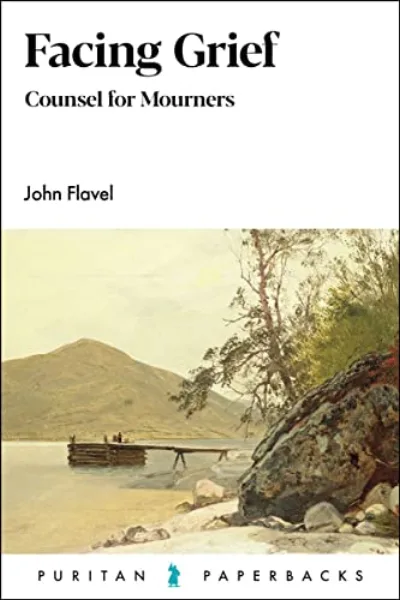
Facing Grief: Counsel for Mourners
John Flavel · 2022
Banner's 128-page edition of Flavel's A Token for Mourners (1674), written for a mother who had buried her only son and built on Christ's word at Nain, 'Weep not.' Flavel does not argue the tears away; he sets a boundary between sorrow and despair. The one book here short enough for the first week.

When Christians Suffer
Thomas Case · 2009
A 128-page Pocket Puritan by a Westminster divine who preached through the upheaval of the 1650s, arguing that God's rod and God's love stand together. Wrong book for a reader who needs his loss named before anything else is said about it, because Case moves quickly to the discipline of God.
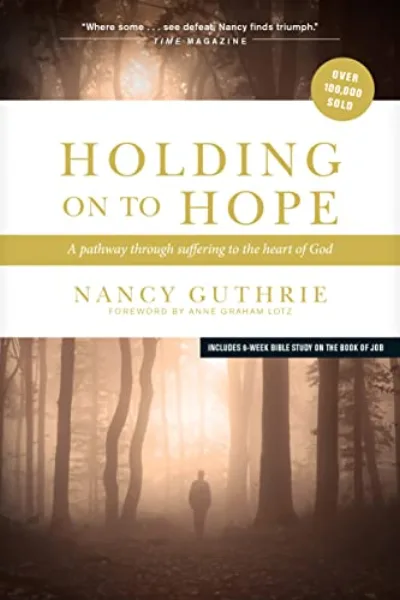
Holding On to Hope: A Pathway through Suffering to the Heart of God
Nancy Guthrie · 2006
Guthrie wrote this after her daughter Hope died of Zellweger syndrome before her first birthday, and she walks the reader through the book of Job in short chapters, with a six-week study included. The best answer to the question of which book of the Bible to read after a death.
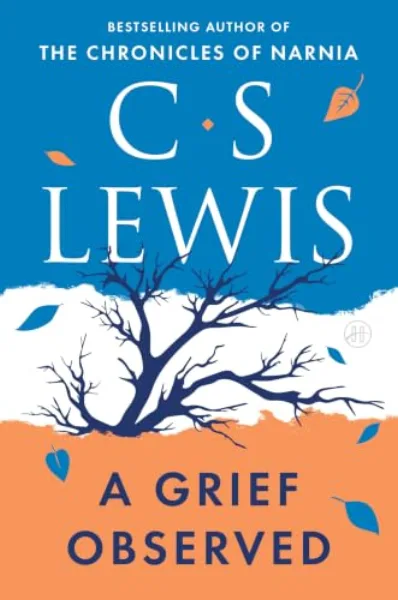
A Grief Observed
C. S. Lewis · 2001
Seventy-six pages of the notebooks Lewis kept after Joy Davidman died in 1960, published in 1961 under the pen name N. W. Clerk. It is not doctrine and it does not resolve: Lewis accuses God on one page and takes it back on the next. Give it to the reader who thinks he is losing his faith and needs to know the sensation is not new.

Dark Clouds, Deep Mercy: Discovering the Grace of Lament
Mark Vroegop · 2019
Vroegop, a pastor who lost a daughter, Sylvia, to stillbirth, teaches the four movements of biblical lament from the Psalms and Lamentations: turn, complain, ask, trust. If anger at God feels like a sin you cannot confess, this book shows you the Psalter doing it out loud and calling it prayer.
Intermediate
7 books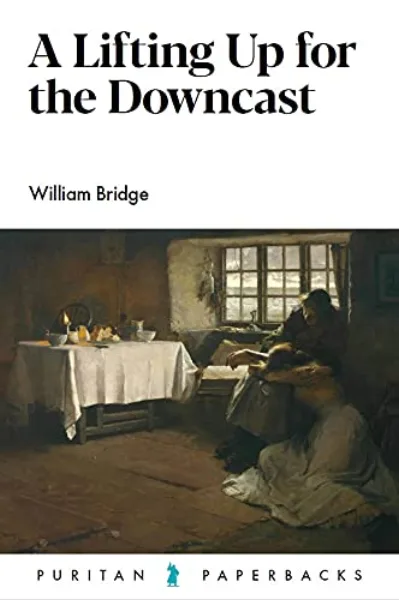
A Lifting Up for the Downcast
William Bridge · 2021
Thirteen sermons on Psalm 42:11, preached in 1648, each one addressed to a particular kind of discouragement: the believer crushed by sin, the one under great affliction, the one whose assurance has gone. Note the author. This is William Bridge, not Jeremiah Burroughs, who wrote The Rare Jewel of Christian Contentment and is often credited with this book by mistake.

All Things for Good
Thomas Watson · 2021
Watson published A Divine Cordial in 1663, the year after the Act of Uniformity threw him out of his London pulpit, so his reading of Romans 8:28 comes from a man who had already lost most of what he had. 128 pages, and the tightest Puritan statement of providence for sufferers you can buy.
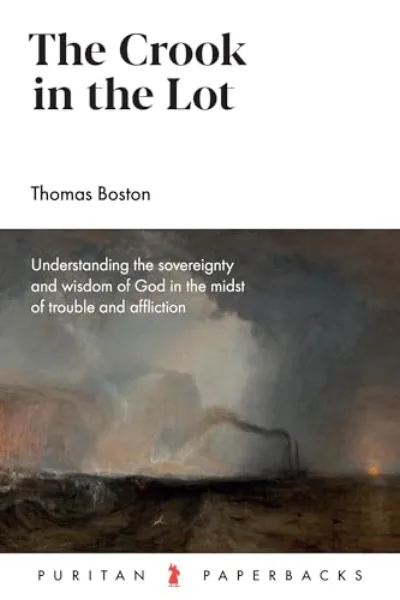
The Crook in the Lot
Thomas Boston · 2017
Boston died in 1732 and these sermons on Ecclesiastes 7:13 were published posthumously around 1737, on the one thing in every life that will not be made straight. His own crook was his wife's years of illness. The most bracing book on this list: Boston insists the crook is of God's making, and a grieving reader will find that either steadying or premature.
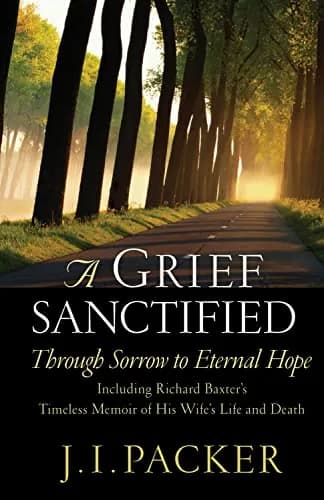
A Grief Sanctified: Through Sorrow to Eternal Hope
J. I. Packer · 2002
Packer reprints Richard Baxter's Breviate of the Life of Margaret Baxter, written within months of his wife's death in 1681, and comments on it in sections. A Puritan writing about his own bereavement while it was still raw, which is rarer than the tradition's stern reputation suggests. 191 pages.
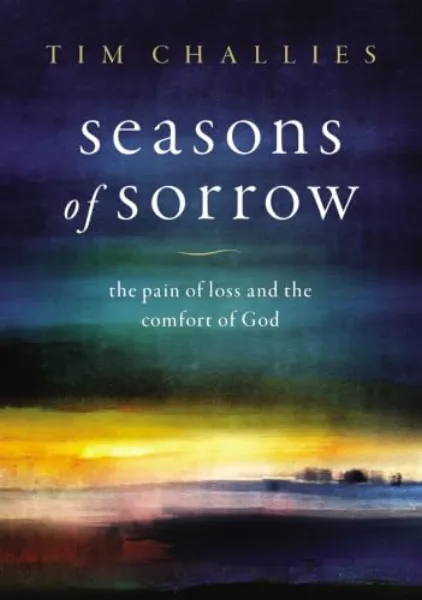
Seasons of Sorrow: The Pain of Loss and the Comfort of God
Tim Challies · 2022
Short entries written across the four seasons after the sudden death of Challies' twenty-year-old son Nick in November 2020, composed as that year actually went rather than reconstructed later. The timeline is the value: you can hear the difference between the second month and the tenth.
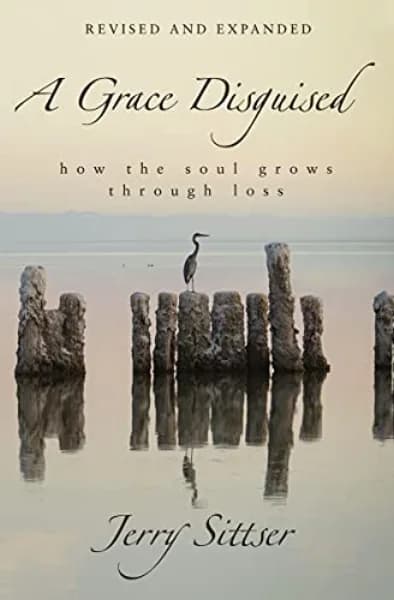
A Grace Disguised: How the Soul Grows through Loss
Jerry Sittser · 2021
Sittser lost his mother, his wife, and his four-year-old daughter in a single collision in 1991, and this revised and expanded edition carries decades of hindsight on living with a loss that never resolves. He writes as an evangelical historian rather than a confessional theologian, so take it for the shape of a life after loss rather than for its doctrine of providence.

What Grieving People Wish You Knew about What Really Helps (and What Really Hurts)
Nancy Guthrie · 2016
The book to buy when the grief belongs to someone else. Guthrie gathers what bereaved people themselves said about the card, the casserole, the visit, and the sentence at the funeral that landed badly. 192 pages, and the one title here written for the comforter rather than the mourner.
Advanced
4 books
Letters of Samuel Rutherford: A Selection
Samuel Rutherford · 2024
Most of these letters were written during Rutherford's banishment to Aberdeen from 1636 to 1638, sent to named parishioners at Anwoth, a good many of them to people who had just buried a child. Rutherford had buried children of his own. The seventeenth-century Scottish prose is demanding, so read one letter at a time rather than the volume.

The Mystery of Providence
John Flavel · 2022
Flavel's 1678 exposition of Psalm 57:2, teaching the believer to read his own past backwards for the evidence of God's hand. 280 pages. Give it to someone a year out rather than a week out, because the argument asks for a working memory that fresh grief does not have.
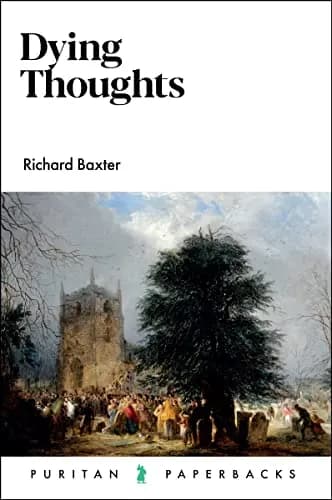
Dying Thoughts
Richard Baxter · 2021
Baxter's meditations on Philippians 1:23, published in 1683 as his own health failed and two years after Margaret's death, weighing the good of staying to serve Christ against the far greater good of departing to be with him. 144 pages for the reader who is grieving and also afraid of dying, which is more grievers than will say so.
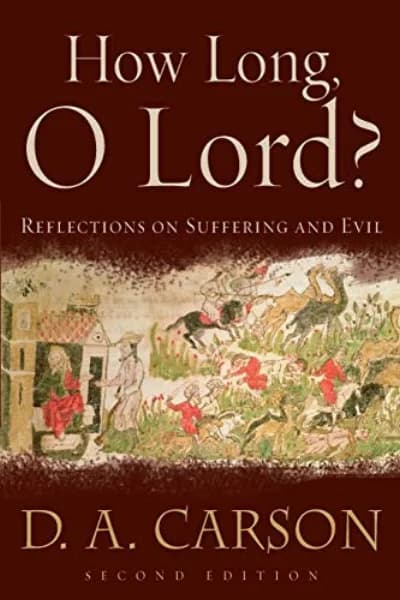
How Long, O Lord? Reflections on Suffering and Evil
D. A. Carson · 2006
Carson's second edition, 240 pages, on suffering, evil, and the justice of God, written for the reader who has begun to ask whether God is good rather than whether God is there. This is argument rather than comfort, which is exactly why it belongs in the last tier and not the first.
Where to read next
As an Amazon Associate this site earns from qualifying purchases. Book links are affiliate links.
← All reading-guide topics